
Winter Break, Level Up: Master Living Chinese with SISU
Skill 1: From Language to Life – Chinese Classes Go Practical
With AI integration, Chinese class transforms into a vibrant "life lab." When the word "coupon" pops up on the screen, the room instantly buzzes with shared experiences. Students eagerly explain how to "grab" discount red envelopes or describe using a "foot massage coupon." Guided by the teacher, they navigate terms like "discount," "takeout," and "delivery fee" through lively discussion and gestures, making the language come alive.
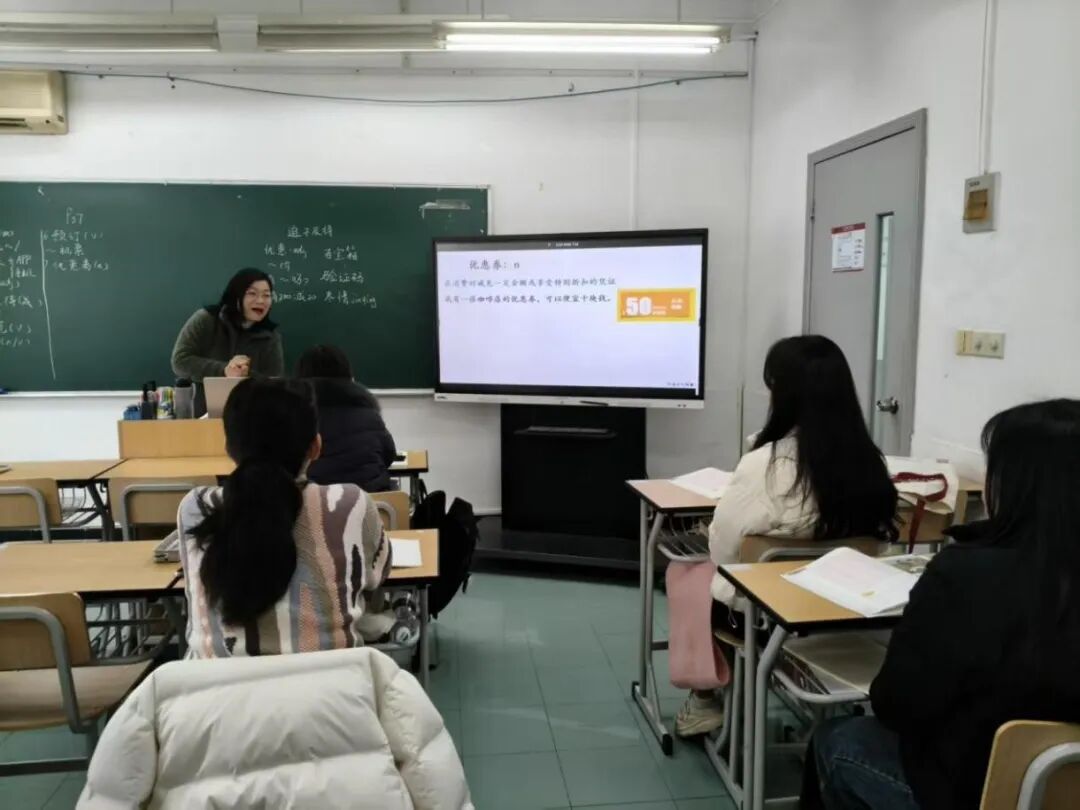
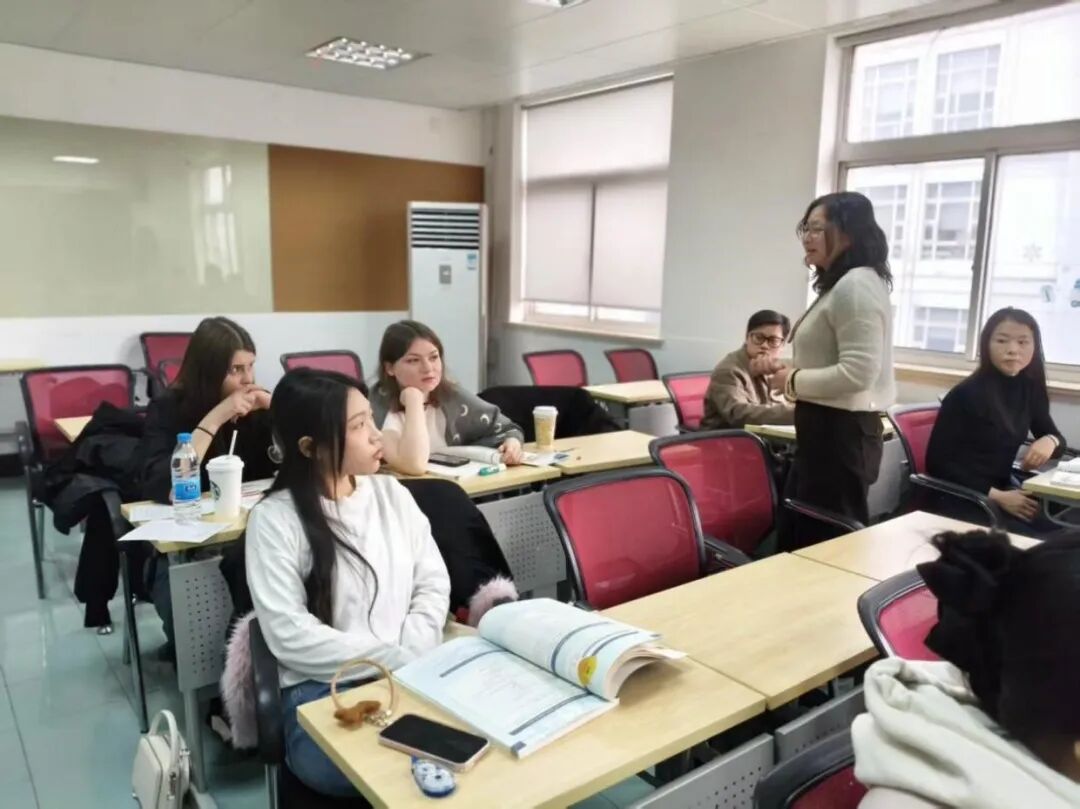
The shift continues with topics like "chatting." Interactive displays spark conversations about everyday scenarios—from ordering food online to watching videos. One student might exclaim naturally, "I don’t like video calls!" Here, AI sheds its cold, technical image, becoming a bridge that connects textbook Chinese to real-world use, filling each word with the warmth and rhythm of daily life.
Skill 2: Discover Paper-Cutting – A World of Wonder in a Sheet of Red Paper
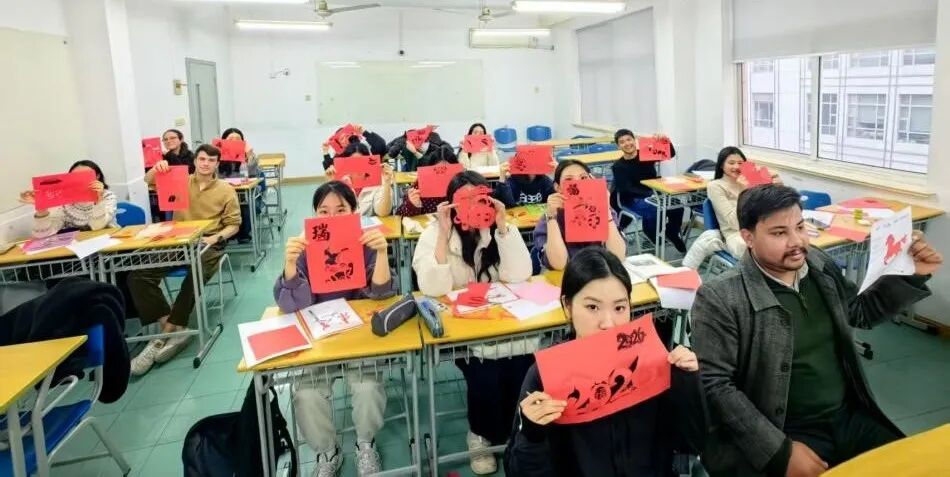
"Keep your wrist light, imagine the scissors dancing on the paper." In this paper-cutting class, the magic of intangible cultural heritage comes alive at everyone's fingertips. Students fold the red paper, sketch their designs, each snip of the scissors filled with anticipation. Following the instructor's guidance, they fold and draw patterns, the possibilities endless until the moment of revelation.
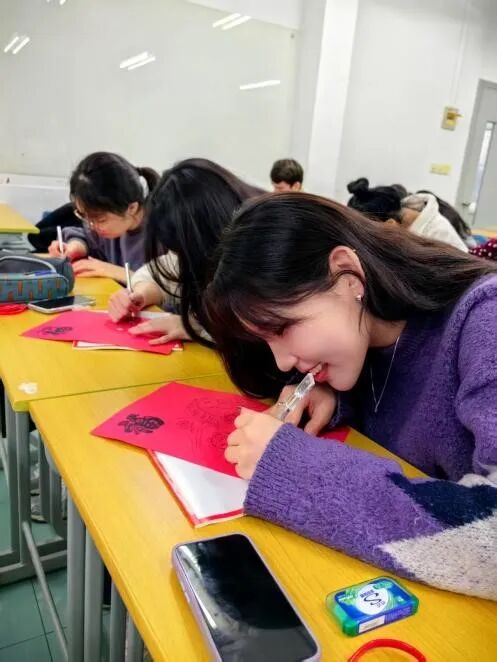
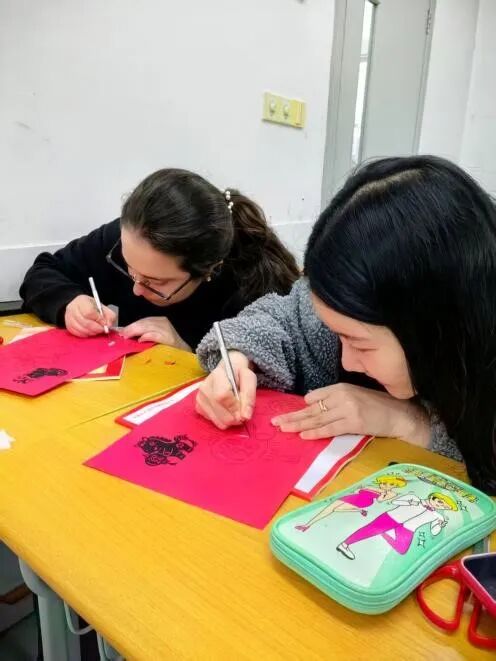
The most thrilling part is the unfolding—a simple piece of paper transforms into an intricate, stunning pattern, drawing gasps of delight. This is more than learning a craft; it's an immersive journey into Chinese aesthetics and the pure joy of creation.
Skill 3: Feel the Magic of Chinese Film — Learn Living Mandarin Through Movies
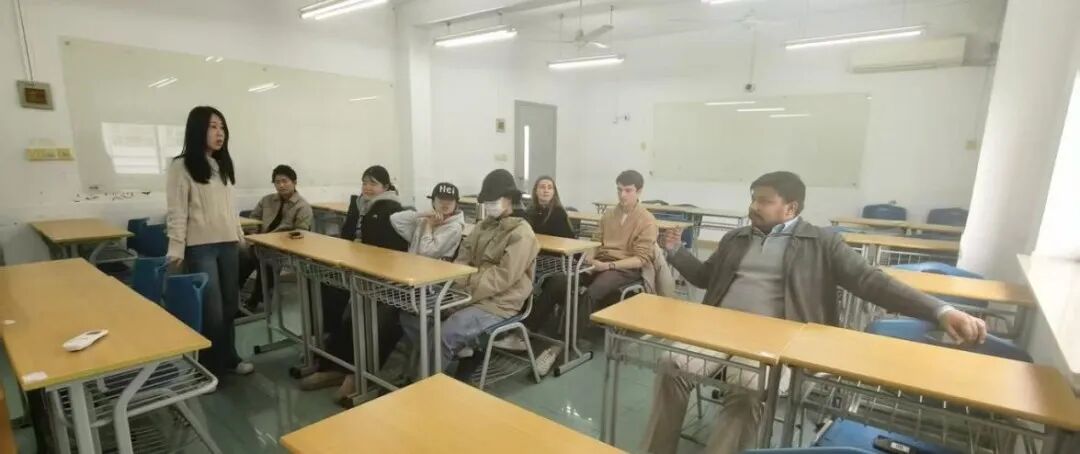
"So, what kind of movies do you usually watch?" The question sparks instant excitement. Romantic films, action flicks, comedies… students from all over start sharing, filling the room with a lively buzz of conversation.
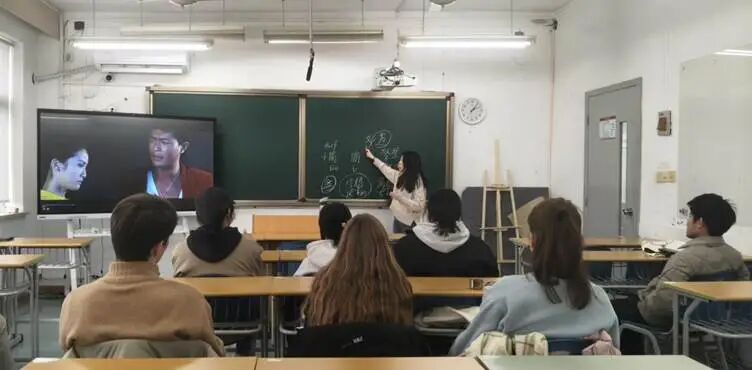
The teacher guides the discussion, saying, "Movies aren't just stories—they’re a window into real language and culture." Using Jackie Chan's globally popular films as an example, she introduces Rob-B-Hood, a movie that mixes action, comedy, and heartfelt moments.
As the film plays, the teacher pauses to point out everyday expressions—phrases like “chīle ma” used in casual greetings, the saying “guānjiàn shíkè diào liànzi” for describing bad timing, and authentic dialogue full of life. Students are drawn into the thrilling plot and funny scenes, but they also pick up the rhythm and feel of real Mandarin in a relaxed way.
The movie's themes—family values, protecting children, and everyday kindness—become natural topics for cultural talk. This lesson takes language out of the textbook, letting students feel a real, warm, and vivid China through laughter and wonder.
Skill 4: Discover Zhujiajiao – A Walking Chinese Lesson
In the early morning, students set out with mission cards in hand, stepping into the classic water town of Zhujiajiao. Ahead of them, the Caogang River flows gently beneath stone bridges that link bustling lanes and quiet courtyards. With its whitewashed walls, dark-tiled roofs, and riverside charm, the town becomes a living classroom—an immersive Chinese challenge waiting to unfold.
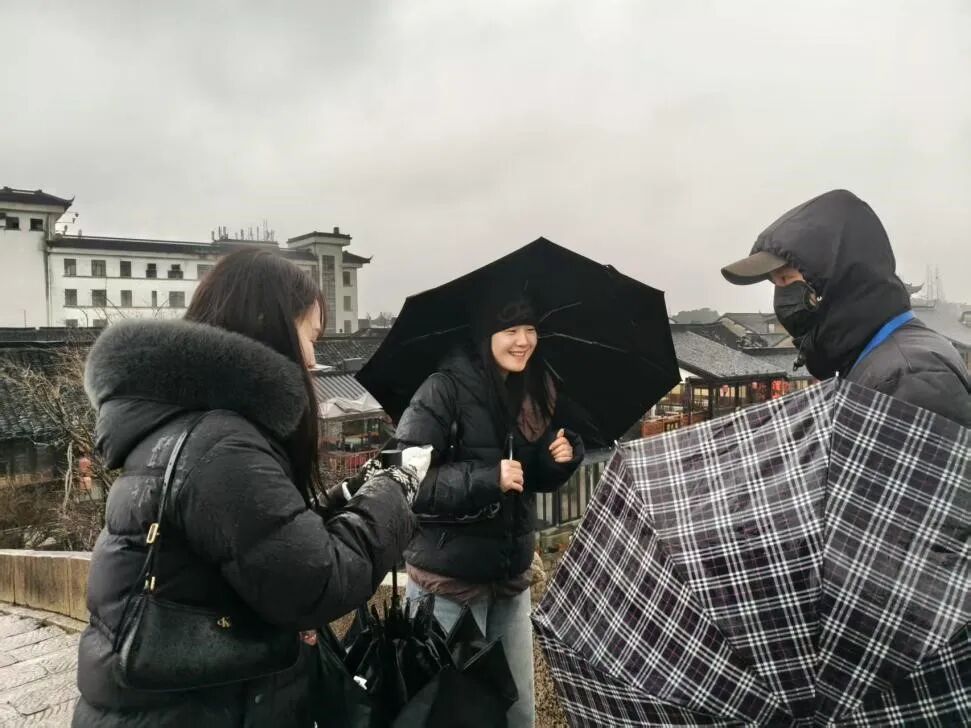
Eager to begin, two students from South Korea are already approaching a guide, asking about the story behind the historic Fangshengqiao—the “Bridge of Setting Free.” No bit of rain or wind can slow down their curiosity today.
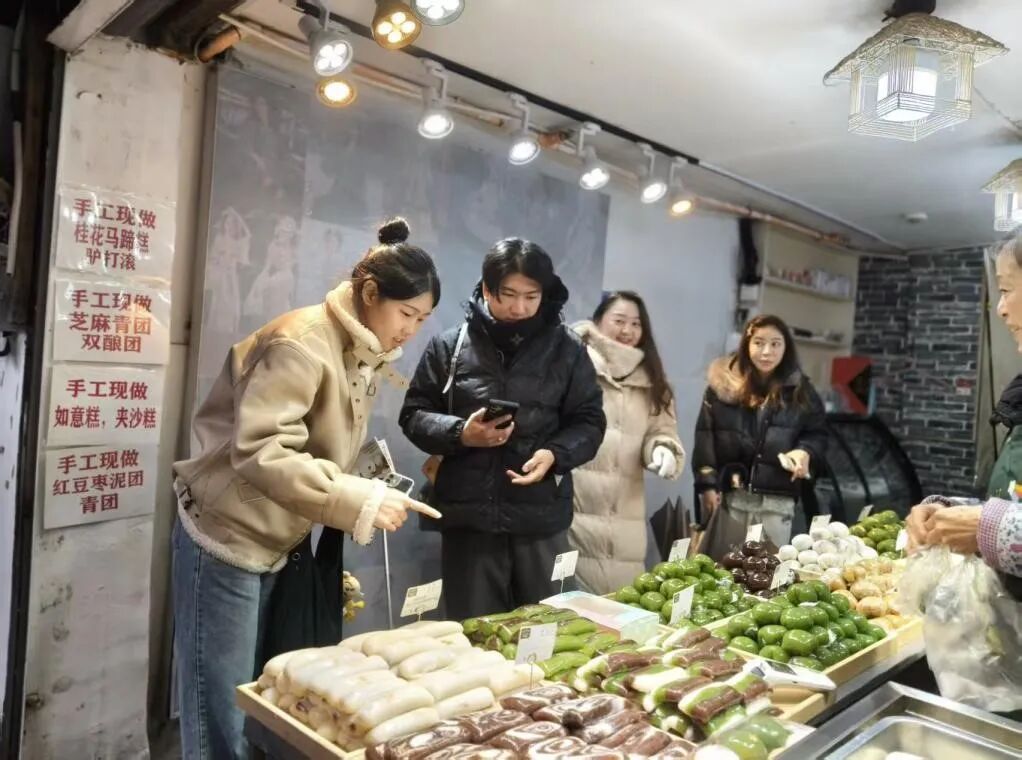
The mission cards are simple, fun, and hands-on: “Taste a local snack and describe its name and flavor.” At a qingtuan stall, students are drawn in by the colorful display of sweet green rice cakes but hesitate over which to choose. Finally, they gather the courage to ask the vendor for a suggestion, using the Chinese they’ve just learned. A quick exchange later, mission accomplished—each gets to enjoy a fresh, fragrant qingtuan straight from the steamer.
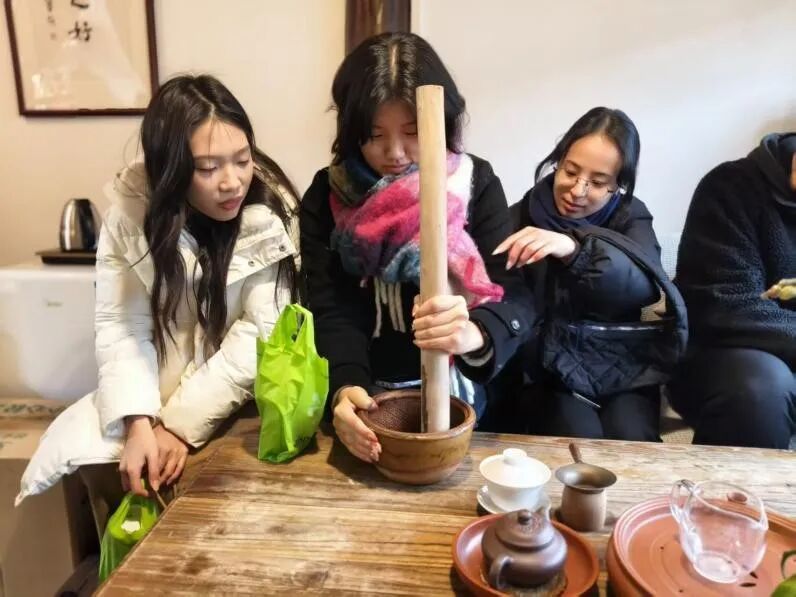
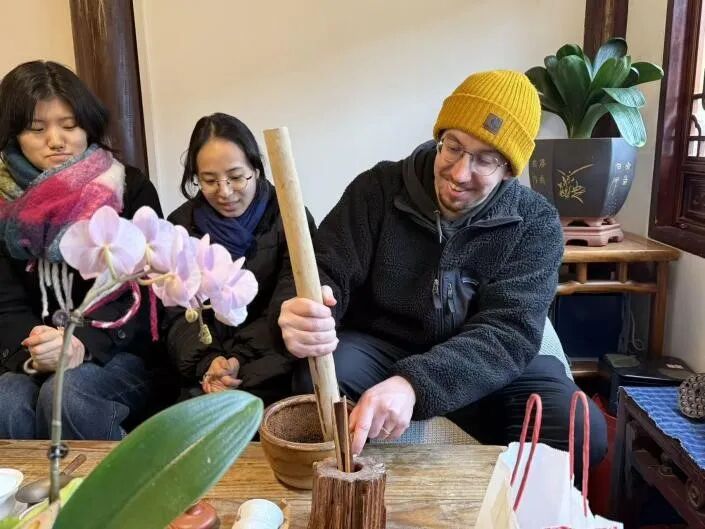
Guided by their mission cards, the students soon discovered another traditional craft: leicha, a Hakka ground tea. They watched closely as the shop owner demonstrated the technique—gripping a clay pestle and grinding the ingredients in a bowl with firm, circular motions. Intrigued, they each took a turn, their initial awkward movements gradually smoothing into a steady rhythm amidst shared laughter and the sound of grinding.
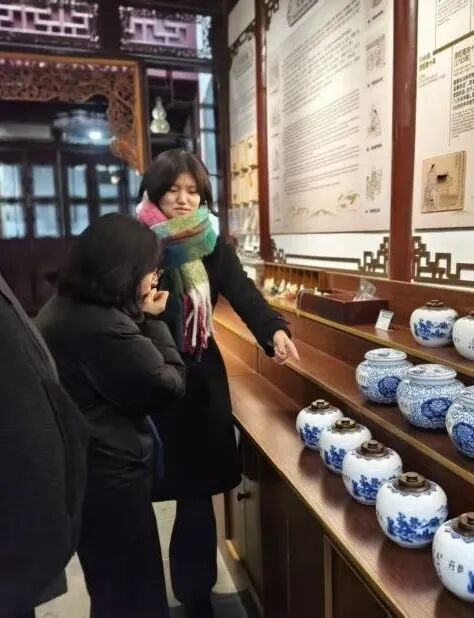
Next, they stepped into a traditional Chinese pharmacy for a “herb exploration” task. One student lifted the lid of a jar containing juemingzi (cassia seeds), reacting to its strong aroma with a dramatic “I think I’m gonna faint!”—her playful dismay drawing more laughter from the group. Further along, a vintage photo studio captivated them with its array of nostalgic portraits and artistic backdrops.
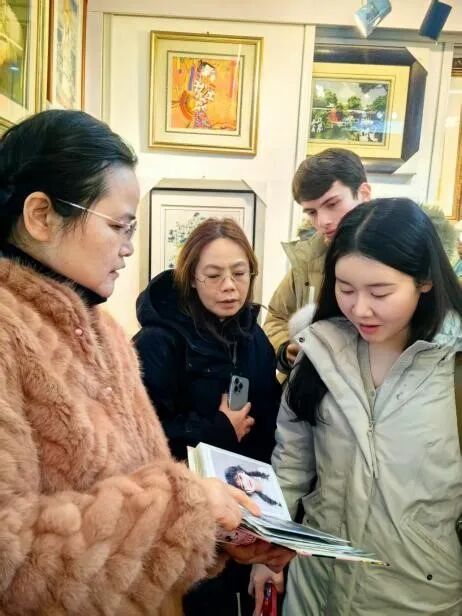
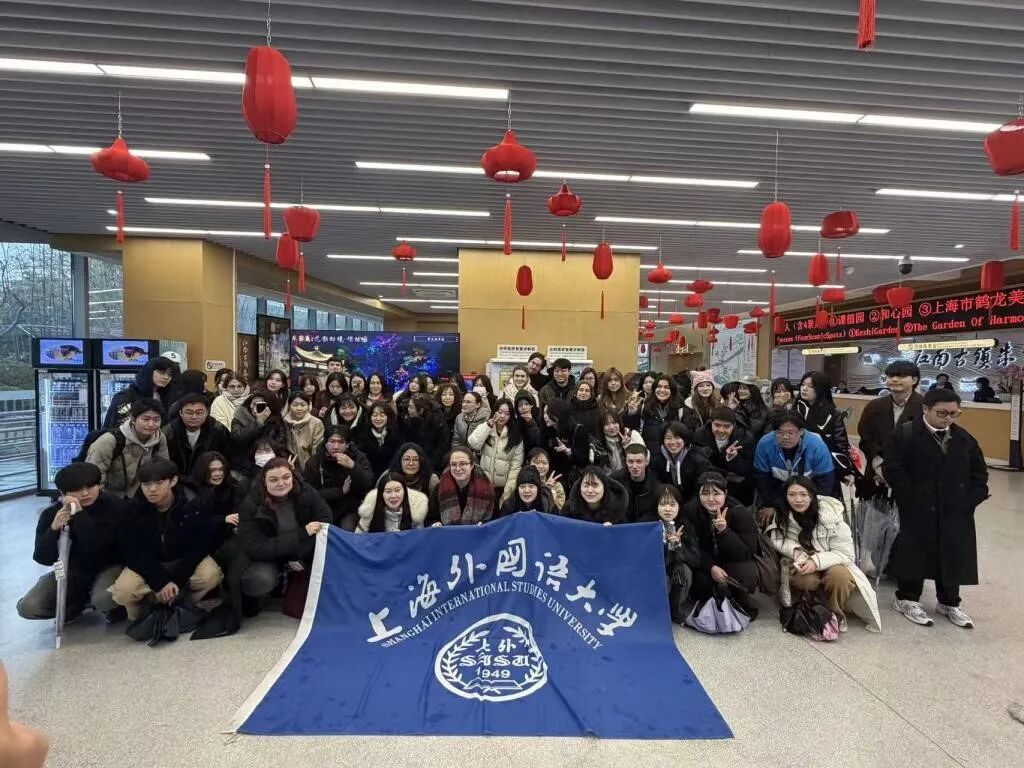
With their missions in hand, the students wandered through the narrow lanes of Zhujiajiao, fully immersed in the town’s living atmosphere. Even a light drizzle couldn’t dampen their spirits—instead, it added a misty, poetic charm to the riverside scenery. By the end of the day, they had shifted from mere sightseers to active participants, using Chinese to connect, explore, and engage. This “walking Chinese lesson” showed them that the most beautiful language grows not from textbooks, but from real-life moments and genuine human connection.
Source: Study at SISU