
【Shanghai Conservatory of Music】 Tracing the Footsteps of China's Leader: Decoding Rural Revitalization–International Education Faculty and Students Embark on Summer Field Study in Ningxia
In summer 2025, the International Education College of Shanghai Conservatory of Music organized an 18-member international student delegation from Malaysia, Mexico, Australia, Canada, Ukraine, France, Russia, and South Korea for a six-day "Discover China" field study in Yinchuan, Ningxia. Led by faculty advisor Ji Zhi, the program combined field research, teaching practice, volunteer service, and artistic performances to showcase Ningxia's achievements in poverty alleviation, ecological restoration, and modern industrial development.
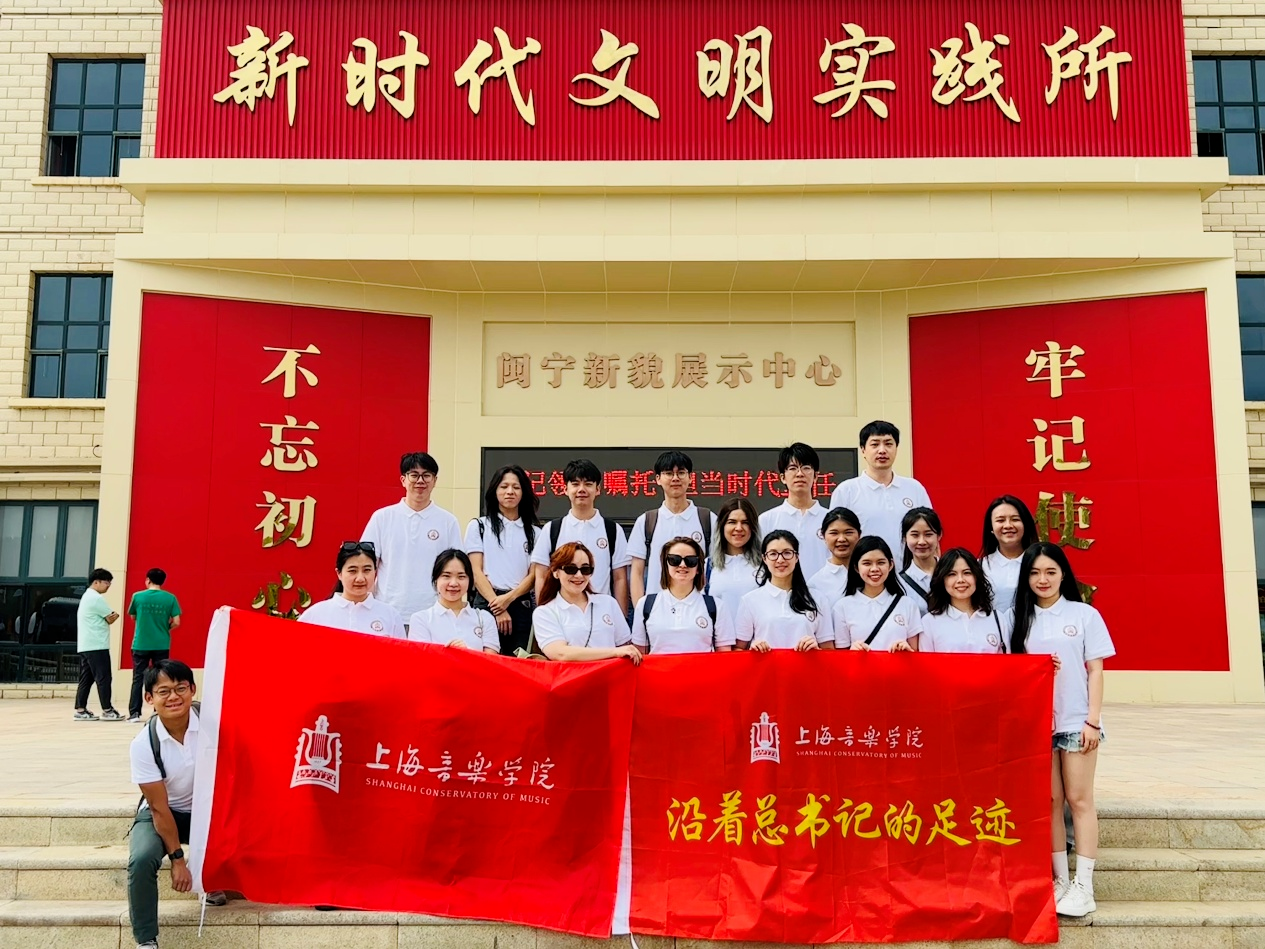
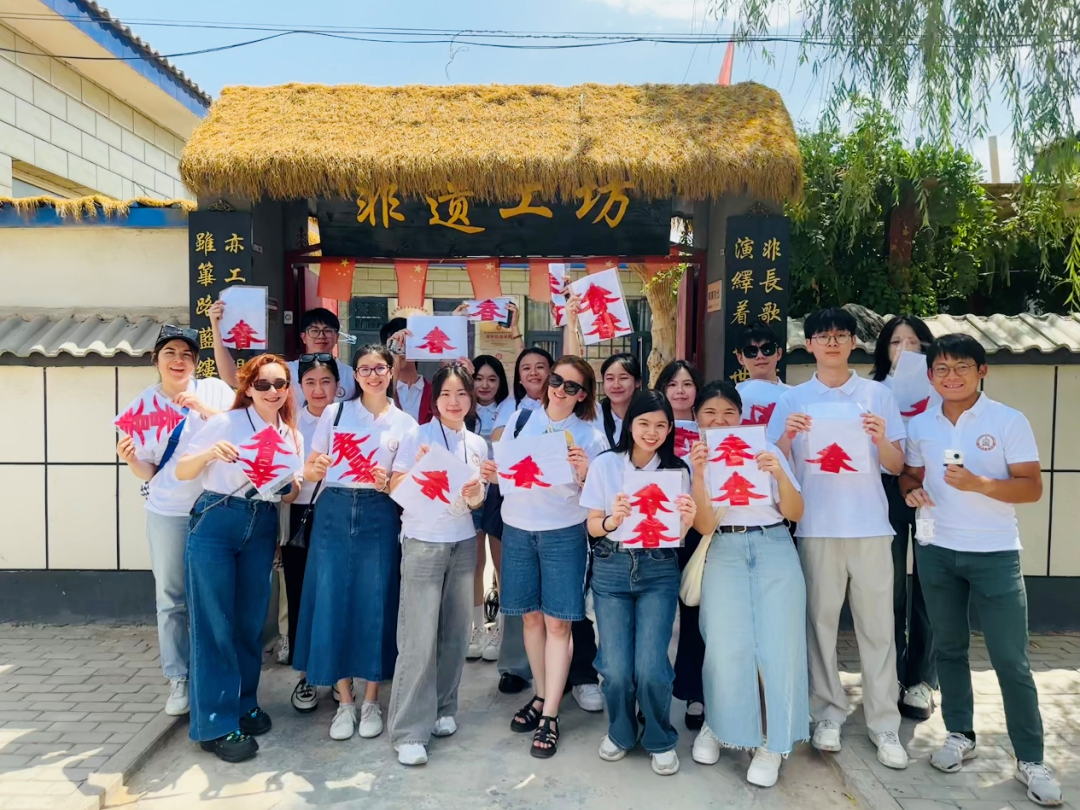
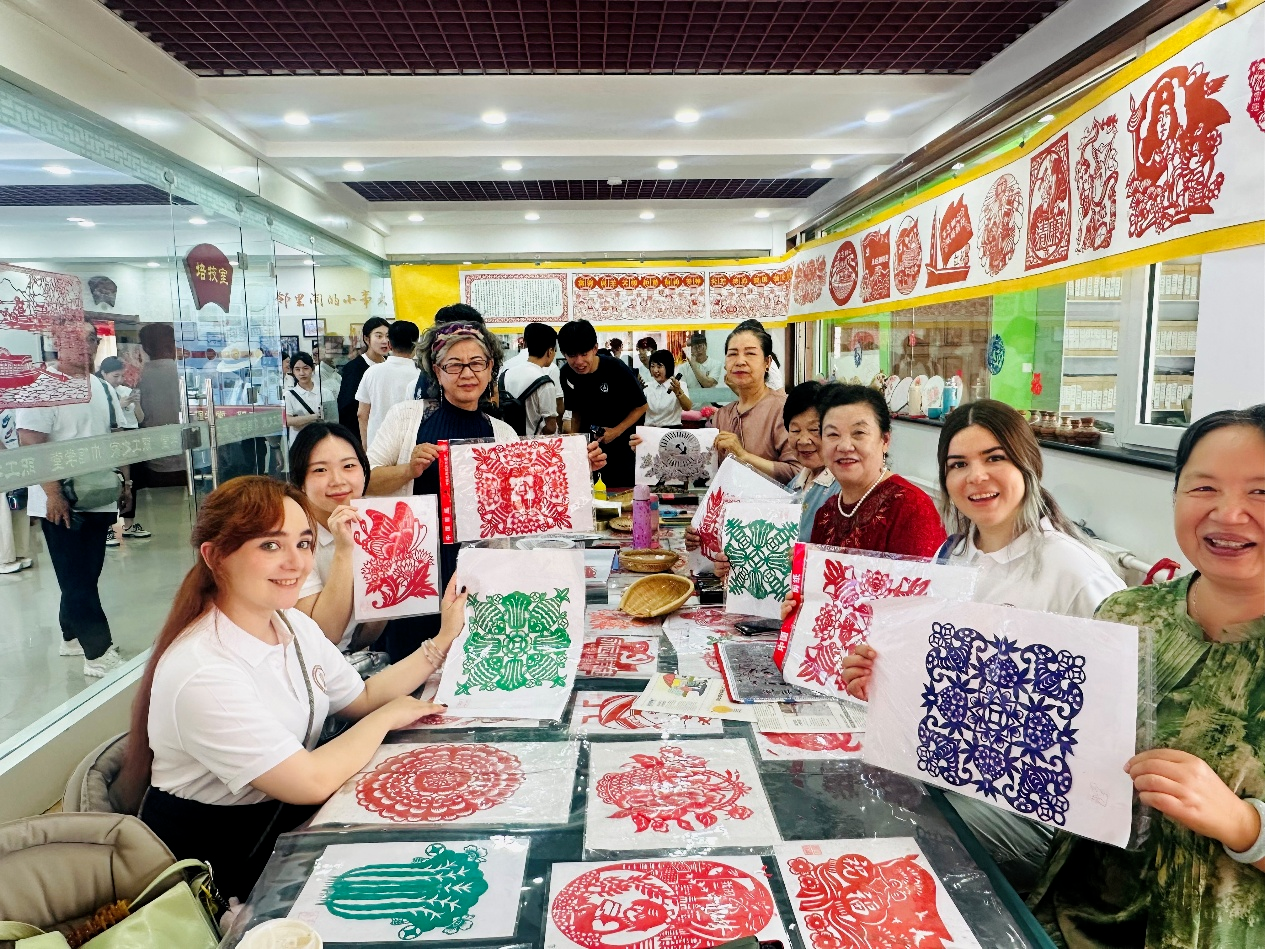
On July 15 morning, the practice team arrived at Yuanlong Village in Minning Town, Yongning County - a national demonstration site for ecological migration and the birthplace of the pioneering "Minning Model" in poverty alleviation. Guided by local interpreters, the international students gained profound understanding of the village's development approach featuring relocation, industrial revitalization and cultural preservation, witnessing firsthand the remarkable changes brought by China's poverty relief and rural vitalization strategies under the people-centered development philosophy. The visit reached its cultural climax at the village's intangible heritage workshop, where students from different countries immersed themselves in the traditional paper-cutting art. With simple red paper and scissors, they created delicate patterns that not only carried rich Chinese cultural symbolism but also served as bridges connecting diverse cultures. This creative session, blending traditional craftsmanship with modern aesthetics, allowed international participants to deeply appreciate the charm of Chinese folk art while enhancing their cultural understanding and emotional connection with China.
On the morning of July 16, the student delegation visited Changcheng Garden Community in Yinchuan's Jinfeng District, a pioneering example of China's new-era community governance that combines precision management, humanistic care and smart technologies. Led by community staff, the international participants toured various facilities including the Party building activity center, intelligent community management systems, recreational spaces, and elderly care services. Through this immersive visit, the students came to appreciate how Chinese community governance extends far beyond basic public services, instead representing a vibrant embodiment of China's distinctive modernization approach at the grassroots level. Changcheng Garden Community vividly demonstrates this philosophy through its integrated model that marries meticulous neighborhood management with compassionate services and digital innovation - all under effective Party leadership. The experience provided valuable first-hand understanding of how China applies its unique wisdom and solutions to create sustainable, people-centered urban communities. Students particularly noted the seamless integration of traditional social values with modern governance methods, resulting in living spaces that successfully balance operational efficiency with human warmth. This visit complemented their earlier rural observations, giving the international delegation a more comprehensive perspective on China's multi-dimensional development strategies across both urban and rural contexts. Many participants remarked how these grassroots-level insights fundamentally enhanced their understanding of Chinese social governance and its underlying people-first philosophy.
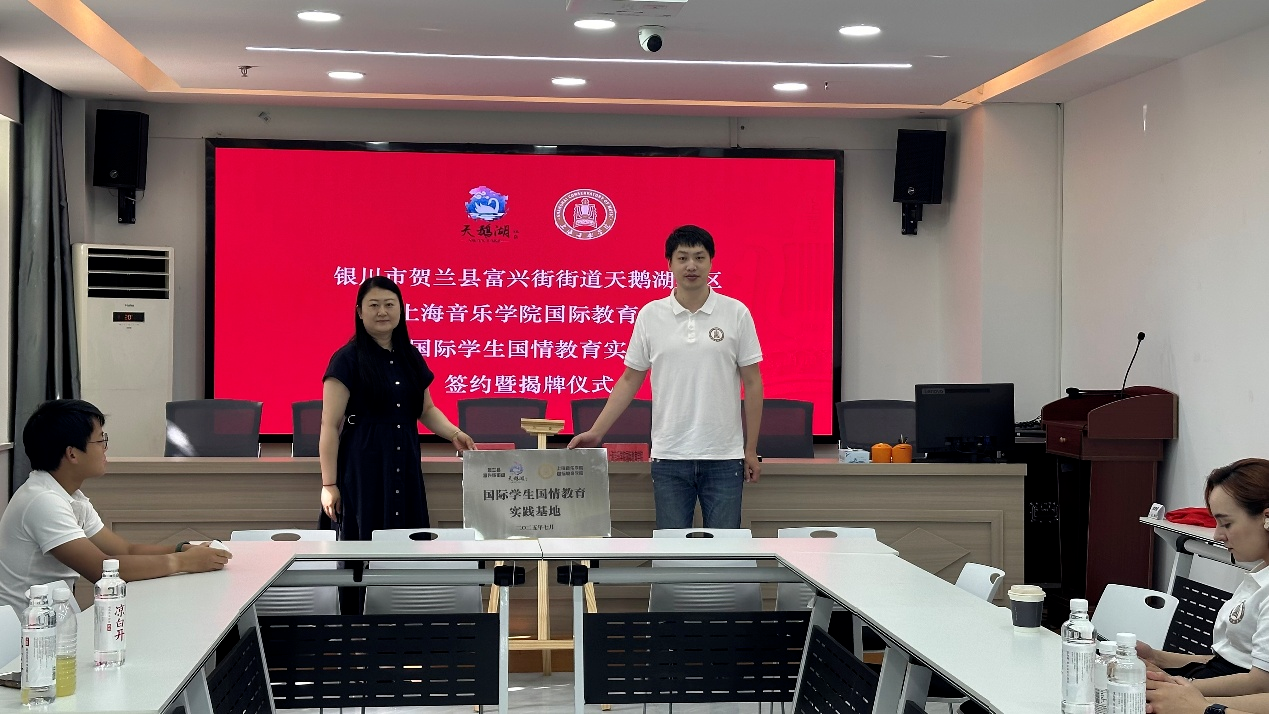
On July 17, Shanghai Conservatory of Music's International Education College forged a new partnership with Tian'ehu Community in Yinchuan's Helan County, jointly establishing an education base for international students. The signing and unveiling ceremony marked the creation of an important platform for cross-cultural education and exchange. Faculty advisor Ji Zhi addressed attendees, highlighting the base's significance as a bridge between academic institutions and local communities. "This initiative will enable our international students to engage deeply with Chinese society through artistic expression," Ji stated. "We encourage students to use music as a universal language to share China's multidimensional story with the world." The new base represents an innovative approach to cultural education, combining traditional learning with hands-on community experience. It aims to foster greater international participation in Chinese cultural preservation while promoting global understanding through artistic exchange. Officials noted the program's potential to create meaningful connections between international students and local residents through shared creative projects. This collaboration continues Shanghai Conservatory's commitment to developing new models for cultural education that blend artistic training with social engagement. The base is expected to welcome its first cohort of international students in the coming academic year, offering immersive programs that explore the rich tapestry of Chinese culture through music, community interaction, and cross-cultural dialogue.
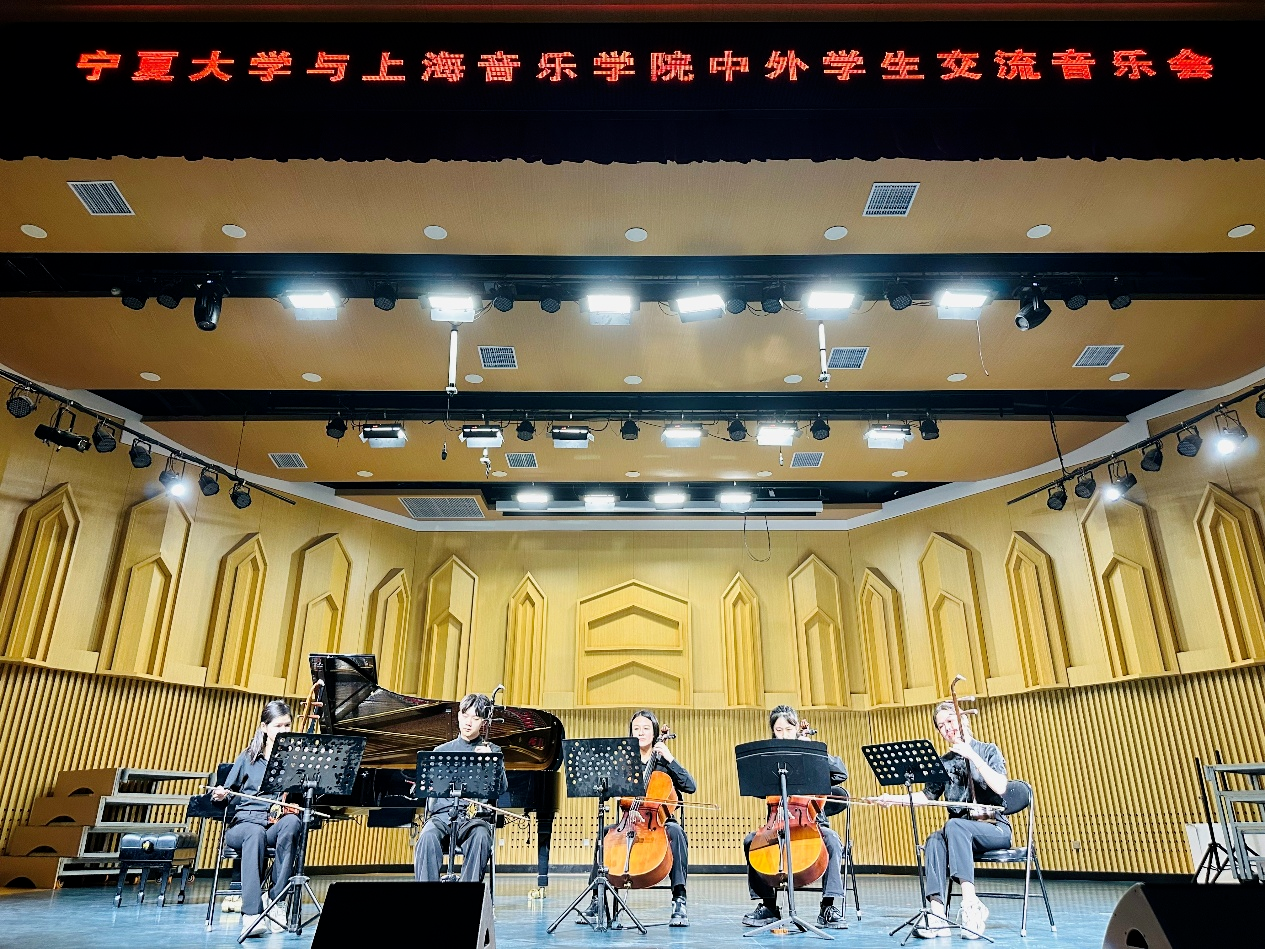
Following the base's inauguration, the team immediately launched their community engagement by participating in Tian'ehu Community's 5th Neighborhood Music Festival that evening. The international students presented a diverse cultural performance that became the highlight of the event. Malaysian students Zhou Hengjin and Huang Yuying captivated the audience with their pipa duet "Dance of the Yi People", while Ukrainian vocalist Ke Anna mesmerized attendees with her rendition of "Mayila Variations". The program skillfully wove together traditional Chinese instruments, Western vocal pieces, and various ensemble arrangements, creating a transcultural musical dialogue that resonated deeply with local residents.
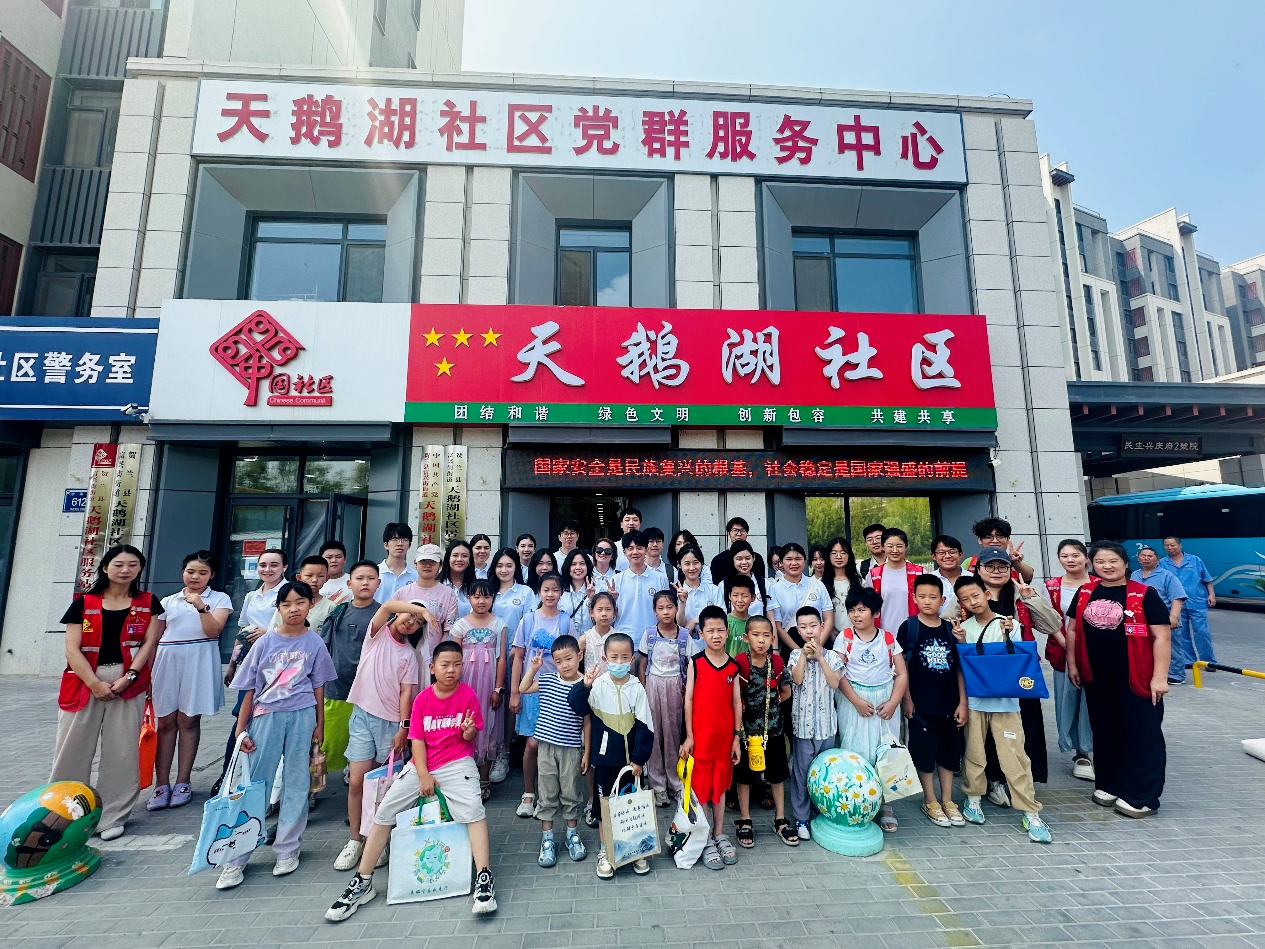
The next day, French student Li Li'an from Shanghai Conservatory of Music led a captivating guzheng workshop for local children at the Tian'ehu Community center. With her professional expertise, Li brought the ancient Chinese instrument to life, tracing its 2,500-year history while demonstrating the distinctive characteristics of northern and southern playing styles. Her interactive teaching approach, combining live performance with engaging Q&A sessions, successfully captured the children's imagination and sparked their interest in traditional Chinese music. Following the formal presentation, the visiting students spontaneously organized small group sessions with the young participants. When they discovered several children were learning either guzheng or clarinet, the international musicians offered personalized guidance and encouragement. These unplanned but meaningful exchanges created unique East-West musical dialogues that delighted both the children and their parents observing nearby.
"The Helan Mountains stand tall against the western sky, a majestic boundary between civilizations."
During their field study, international students visited representative historical sites such as the Helan Mountain Rock Carvings and Western Xia Imperial Tombs, witnessing firsthand the profound depth and diverse charm of Chinese civilization. They experienced the continuous cultural heritage and historical accumulation spanning millennia in this land. For all participants, this Ningxia journey was both a cross-border cultural dialogue and a practical learning experience. The team visited villages, communities, universities, and historical sites, gaining direct understanding of China's vibrant development and the genuine warmth of its people. This valuable fieldwork provided international students with a rare opportunity to deepen their understanding of Chinese culture, while inspiring them to continue sharing China's stories and voices through concrete actions.