
【Shanghai Conservatory of Music】 2025 International Students Short-Term Program Concludes Successfully, Showcasing Chinese Musical Culture on the Global Stage
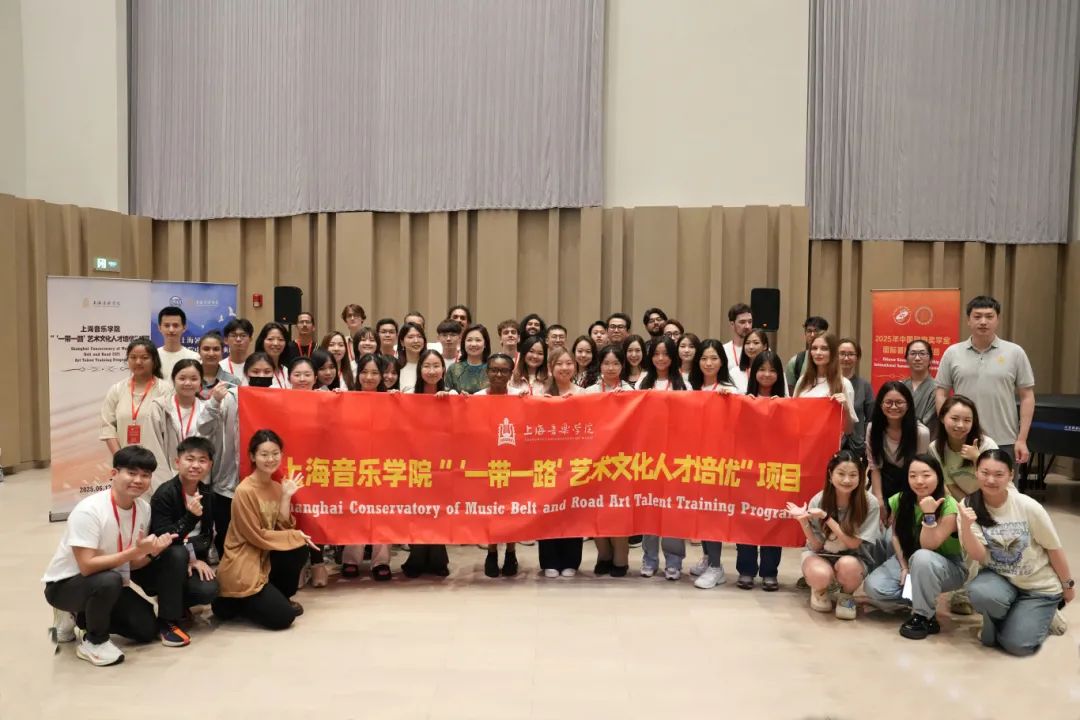
In a vibrant celebration of cultural exchange, the Shanghai Conservatory of Music has successfully concluded its 2025 international summer programs, creating new bridges between Chinese musical traditions and global cultures. From June to July, the institution hosted three significant initiatives: the Chinese Government Scholarship International Summer School (marking the conservatory's first national scholarship-funded program), the Shanghai Summer School Chinese Traditional Music Program, and the Belt and Road Arts Excellence Program. These programs brought together 58 talented participants from 16 countries for an immersive exploration of China's rich musical heritage.
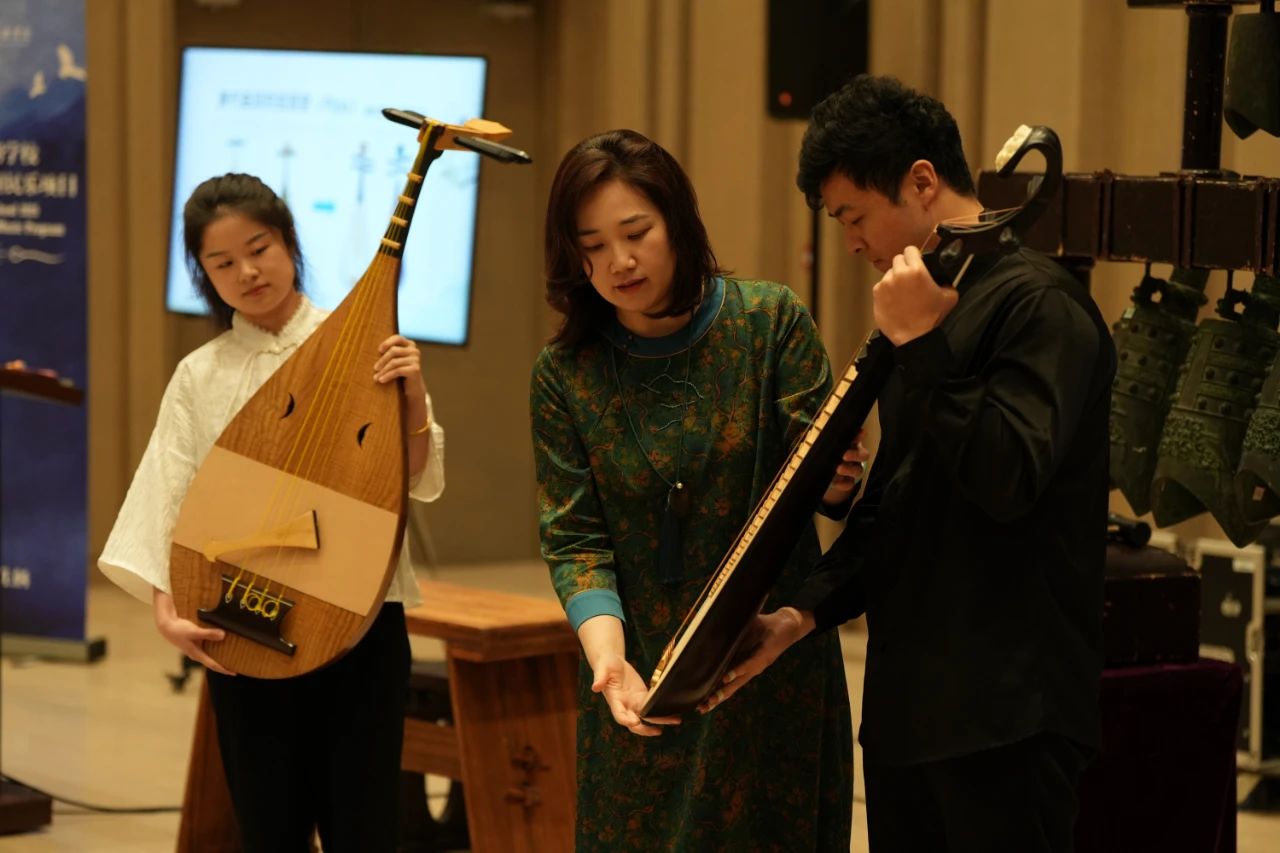
The program curriculum emphasized interdisciplinary practice, incorporating professional tutorials, thematic lectures, workshops, cultural field studies, and concert observations, offering participants a comprehensive framework that bridges traditional heritage with contemporary expression. A series of thematic lectures connected tradition and modernity through diverse perspectives, igniting students' passion for musical culture and interdisciplinary exploration. Huang Yi'ou traced the origins and evolution of ancient Chinese music through instruments like the Jiahu bone flute and the Zenghouyi chime bells. Tang Xiaofeng, Niu Fanqiong, and Lu Xiaozhi jointly presented "Elegant Harmonies: Appreciating Classics on the Pipa, Yangqin, and Guqin." Han Bin explored the dissemination and development of art songs in China, while Zhang Xuan delved into the performance techniques and aesthetics of traditional Chinese opera. Additionally, Chen Gong analyzed the artistic charm of film scoring, and Liu Hao shared innovative applications of artificial intelligence in composition and music therapy. This rich tapestry of lectures and workshops not only deepened participants' understanding of China's musical traditions but also highlighted cutting-edge developments at the intersection of music, technology, and contemporary culture. Through these diverse learning experiences, students gained unique insights into how China's ancient musical heritage continues to inspire modern artistic innovation.
The program placed strong emphasis on hands-on learning and performance opportunities, creating diverse platforms for participants to showcase their talents beyond classroom lectures. Through immersive activities like the Chinese Music Forum, students gained profound appreciation for the depth and unique charm of traditional Chinese arts in practice. In the Peking Opera percussion workshop, participants experienced firsthand the rhythmic artistry of traditional gongs and drums. The Student Forum & Folk Music Workshop featured presentations by students from Russia and Malaysia on Russian music history and 24 Solar Terms drumming respectively. Erik from Spain led an interactive session on traditional Catalan dance, while American participant Ehsan collaborated with Shanghai Conservatory international student Anastasia to perform original compositions blending the Persian santoor with Chinese erhu and violin - a vibrant demonstration of cross-cultural musical innovation. These dynamic activities not only provided valuable performance platforms but also inspired participants to explore the creative possibilities at the intersection of traditional and contemporary music. Each session became a living laboratory for cultural exchange, where theoretical knowledge transformed into artistic expression through international collaboration.
During the program, participants attended five high-caliber concerts spanning diverse musical forms - from string ensembles and traditional Chinese instrumental music to vocal performances and concertos. These included both public thematic concerts and professional recitals prepared for international competitions. Through these immersive musical experiences, students enthusiastically engaged with the performances, gaining firsthand exposure to the dynamic interplay and creative fusion of different cultural musical vocabularies in authentic performance settings.
The program's cultural field studies, guided by the core philosophy of "entering cultural spaces and touching history firsthand," took participants through iconic landmarks across Shanghai and the Jiangnan region. These immersive excursions allowed students to physically engage with China's profound historical legacy and grasp the essence of Chinese culture through direct experience.
The participants visited two iconic sites that embody Shanghai's cultural roots - the Guangfulin Archaeological Park, hailed as "the birthplace of Shanghai civilization," and the ancient water town of Zhujiajiao. Walking through cultural relics dating from the Neolithic Age to the Han Dynasty, then strolling along the bluestone-paved lanes and arched bridges over tranquil canals, they gained tangible understanding of Shanghai's civilizational continuum. This direct exposure revealed the profound aesthetic values and humanistic spirit encapsulated in the cultural concept of "Jiangnan" (south of the Yangtze), where every cobblestone and waterscape whispers centuries of artistic refinement and philosophical wisdom.
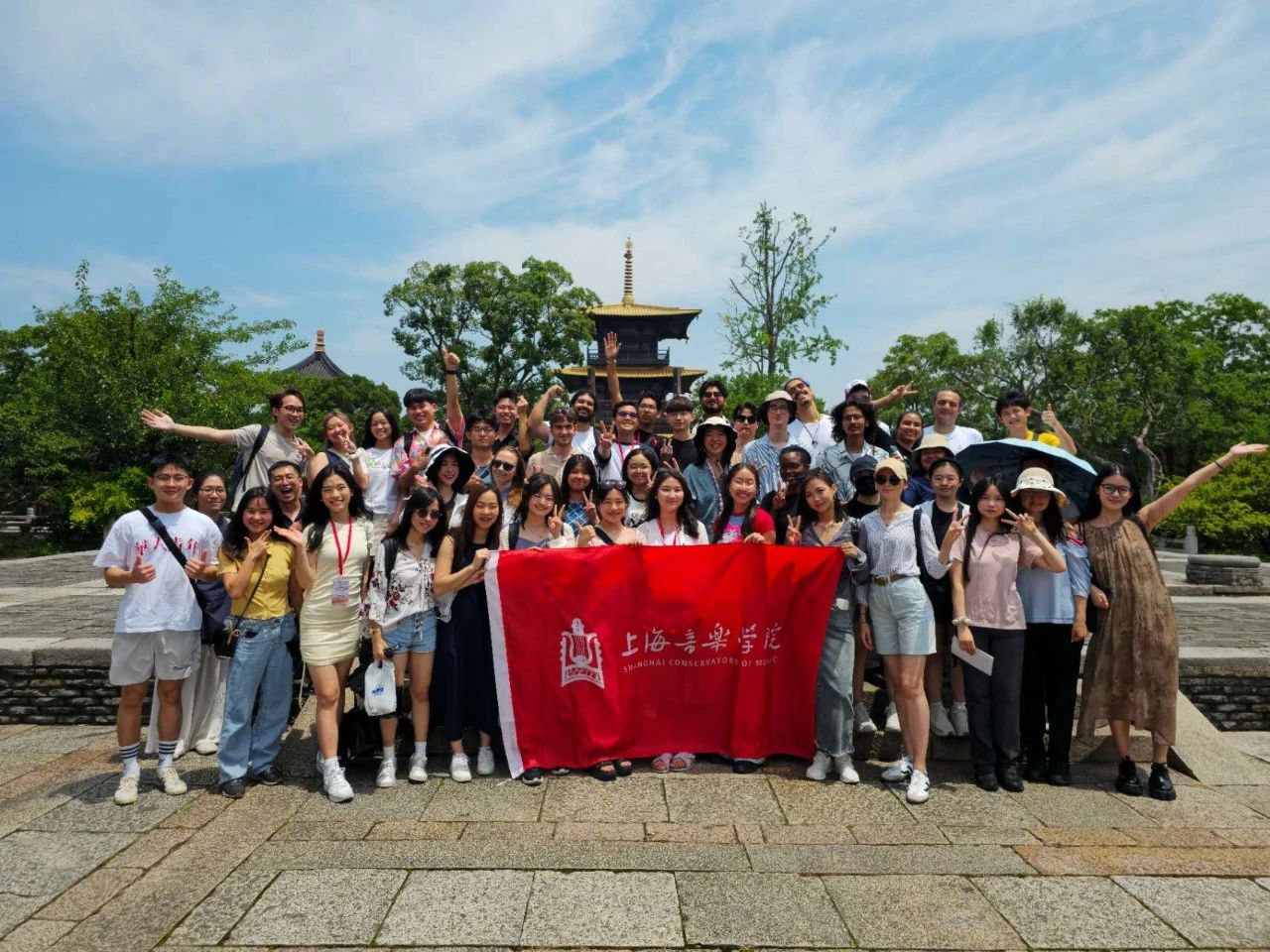
The participants embarked on an immersive cultural journey to Huzhou, Zhejiang, beginning with Nanxun Ancient Town's poetic scenery of stone bridges and black-canopied boats. At the Huzhou Silk Museum, they traced the development of this historic "Silk Merchant Capital." The Zhao Mengfu Art Museum revealed the refined artistic temperament of the master calligrapher through his works and manuscripts, while the Huzhou Brush Museum offered hands-on experience with the exquisite craftsmanship behind China's finest writing brushes. This carefully curated itinerary allowed students to intimately connect with Nanxun's historical fabric and cultural essence, deepening their appreciation for both Jiangnan's spiritual heritage and traditional Chinese culture through intellectual and emotional engagement.
The program culminated in a graduation ceremony and recital at the Traditional Music Rehearsal Hall of the Shanghai Conservatory of Music Opera House. Presided over by Wang Xuqing, former Dean of the International Education College, the event was attended by Deputy Party Secretary Xu Wei, Musicology Professor Xiao Mei, all participants, and faculty members. The ceremony celebrated the students' achievements while showcasing their musical growth through cross-cultural collaboration.
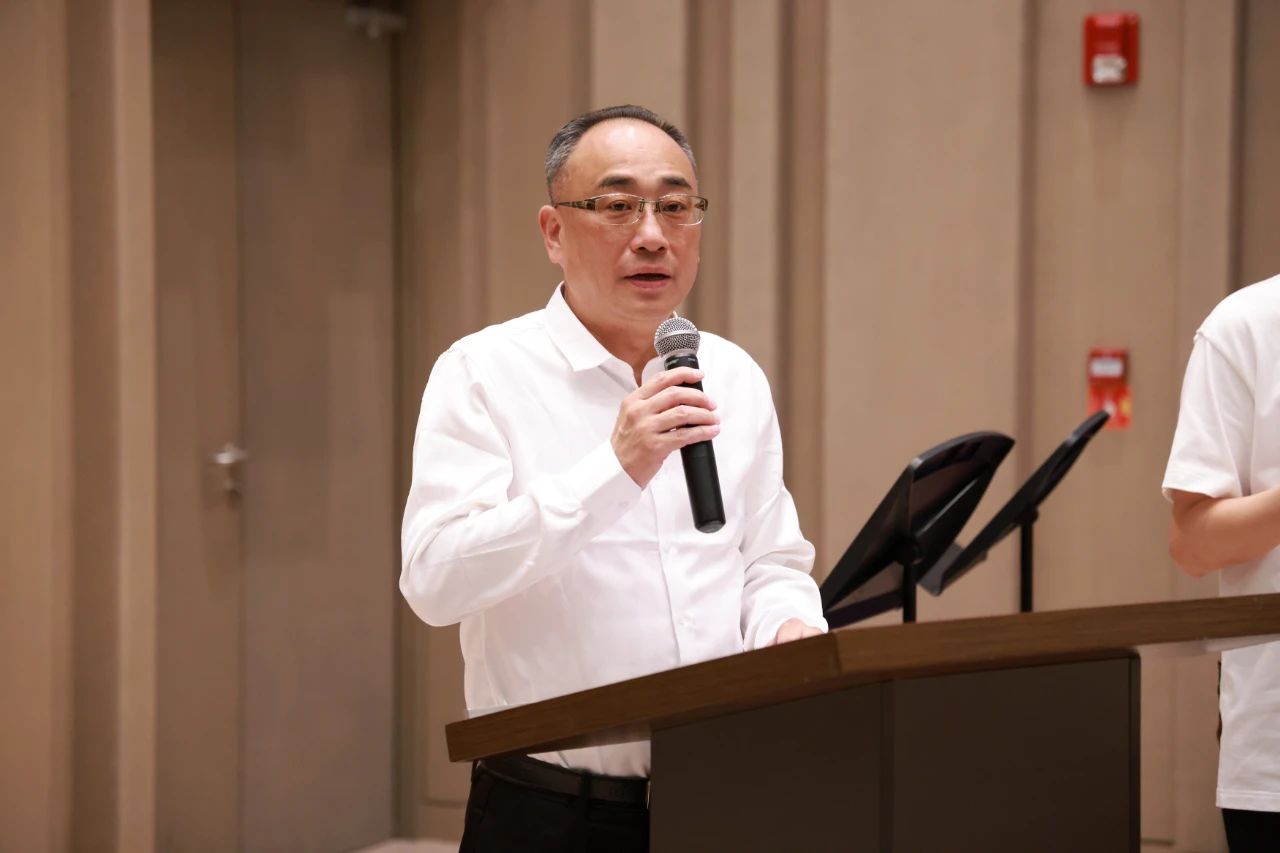
In his address, Xu Wei emphasized the Shanghai Conservatory of Music's commitment to international contemporary music education. He noted that the annual traditional music summer program, through its specialized lectures and professional guidance, enables participants to deeply appreciate the charm of Chinese traditional music while revitalizing Chinese culture through cross-cultural exchange. Encouraging the students to cherish this valuable experience, he urged them to serve as bridges of friendship in their home countries, looking toward the future and actively contributing to people-to-people connections among nations.
Professor Xiao Mei, speaking from an ethnomusicological perspective, advised participants that studying Chinese music offers a pathway into the emotional and spiritual world of the Chinese people. Felix, a student representative from the Geneva University of Music, shared his reflections, expressing that this experience had not only fostered genuine friendships with teachers and classmates but also planted seeds of passion for his future research into Chinese music.
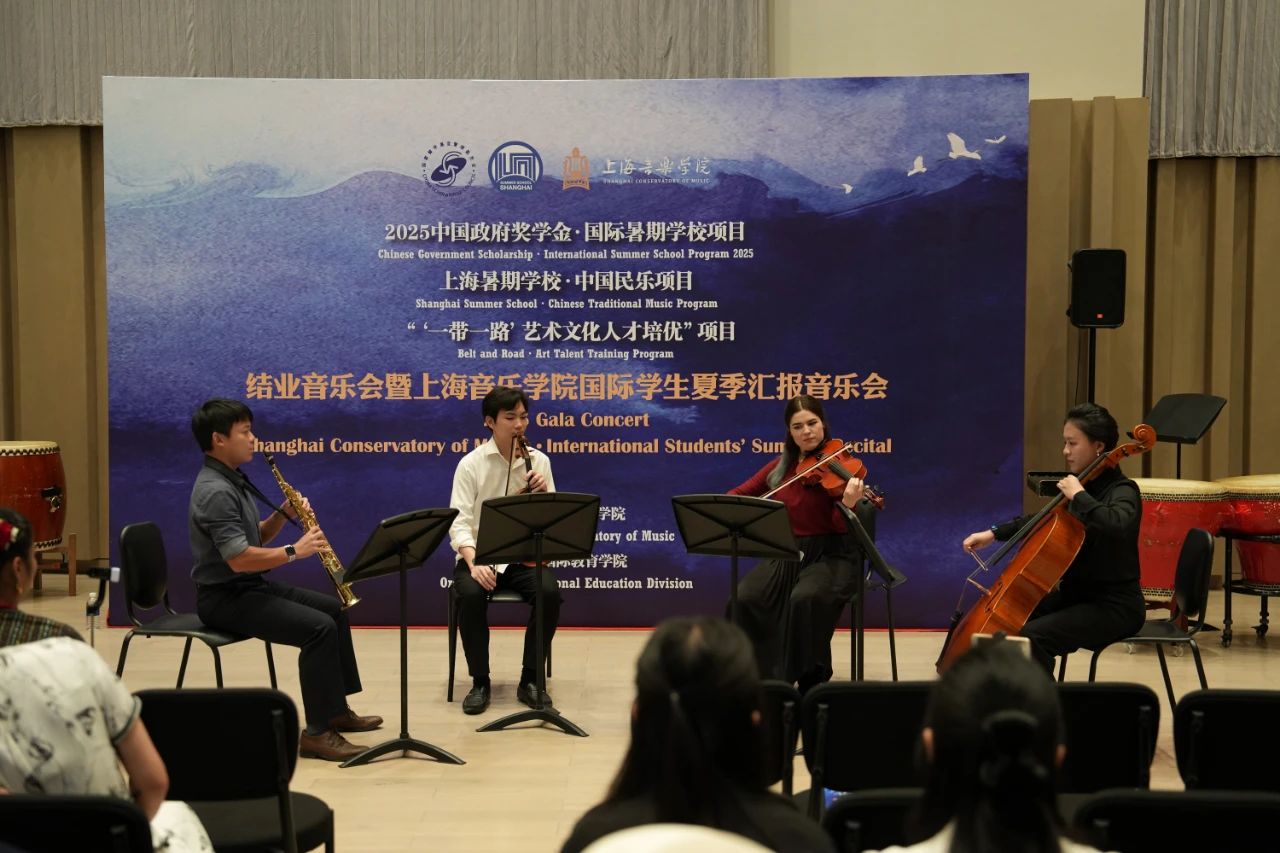
The nearly four-hour culminating concert was a spectacular showcase of the program's achievements. Participants joined with international students of the Shanghai Conservatory to deliver masterful performances of both Chinese traditional music and global classical repertoire, fully demonstrating their artistic growth and cross-cultural collaboration. Featuring over 30 diverse musical arrangements, the concert highlighted students' creative adaptations, including an innovative fusion of Chinese instruments and vocals in "Jasmine Flower," as well as powerfully moving ensemble performances of "Dance of the Yao People" and "Zao Luo Pao." These works revealed both the students' profound musical insight and boundless creativity.
The successful implementation of this program has not only provided international participants with a valuable window into Chinese musical culture, but also injected fresh vitality into global musical exchange. As an active member of both the European Association of Conservatoires (AEC) and the Pacific Alliance of Music Schools (PAMS), the Shanghai Conservatory of Music has established stable collaborative partnerships with music institutions across multiple countries and regions, while proactively developing its own signature competitions. Moving forward, the Conservatory will continue to enrich the "Study at Shanghai Conservatory" initiative, using music as a bridge to foster mutual learning and exchange among youth from China and abroad. Through these sustained efforts, it aims to cultivate a new generation of musicians who embody both artistic excellence and cross-cultural understanding.