
Promoting Exchange, Broadening Horizons: SISU's Chinese Culture Summer Camp for American High School Students Concludes Successfully
From June 6 to June 19, 2025, the School of Chinese Studies and Exchange (hereinafter referred to as “the School”) of Shanghai International Studies University (SISU) successfully held the "Chinese Language and Shanghai Culture Immersion Summer Camp for American High School Students." Sixteen teachers and students from La Salle Preparatory High School and Georgetown Preparatory High School in the United States participated in the program. The camp's theme was "Cross-Cultural Exchange and Global Perspectives: Experiencing Chinese Language and Culture, Exploring the Charm of Shanghai." The program was divided into three key components: language and culture courses, exchange activities between Chinese and foreign students, and activities to experience Shanghai.
Language · Culture · Shanghai
A Trifecta of Language and Culture Immersion
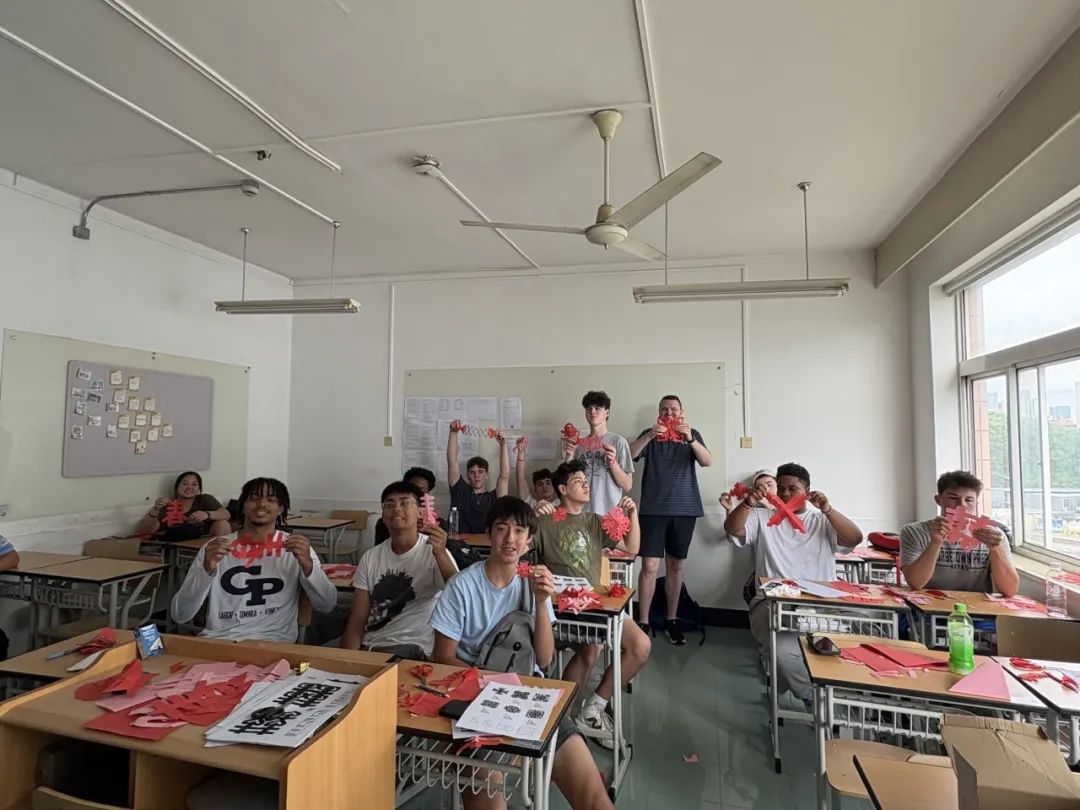
The language and culture curriculum was structured as an integrated "language + culture + practice" program comprising seven sessions. Five foundational Chinese language courses focused on two key themes:"Shanghai cuisine" and "Shanghai landmarks",employing a combined "classroom instruction + field practice" approach to organically integrate language acquisition with cultural immersion. In classroom sessions, instructors used xiaolongbao (soup dumplings) as an entry point to introduce Shanghai's culinary specialties, while cultural explorations of Yu Garden helped students appreciate the city's historical heritage. These were complemented by systematic instruction in practical vocabulary and basic grammar to enhance students' Chinese communication skills. The field practice components directly reinforced classroom learning, with students sampling xiaolongbao at local eateries and visiting Yu Garden,transforming theoretical knowledge into authentic cultural experiences that deepened their appreciation of Shanghai's gastronomy and urban landscapes. The program also included specialized workshops in paper-cutting and calligraphy. Through hands-on creation of traditional artworks, students gained firsthand experience with the intricate craftsmanship of paper-cutting and the artistic essence of Chinese calligraphy, simultaneously advancing both linguistic proficiency and cultural understanding.
Cultural Exchange, Youth Connection
China-U.S. Student Exchange Activities
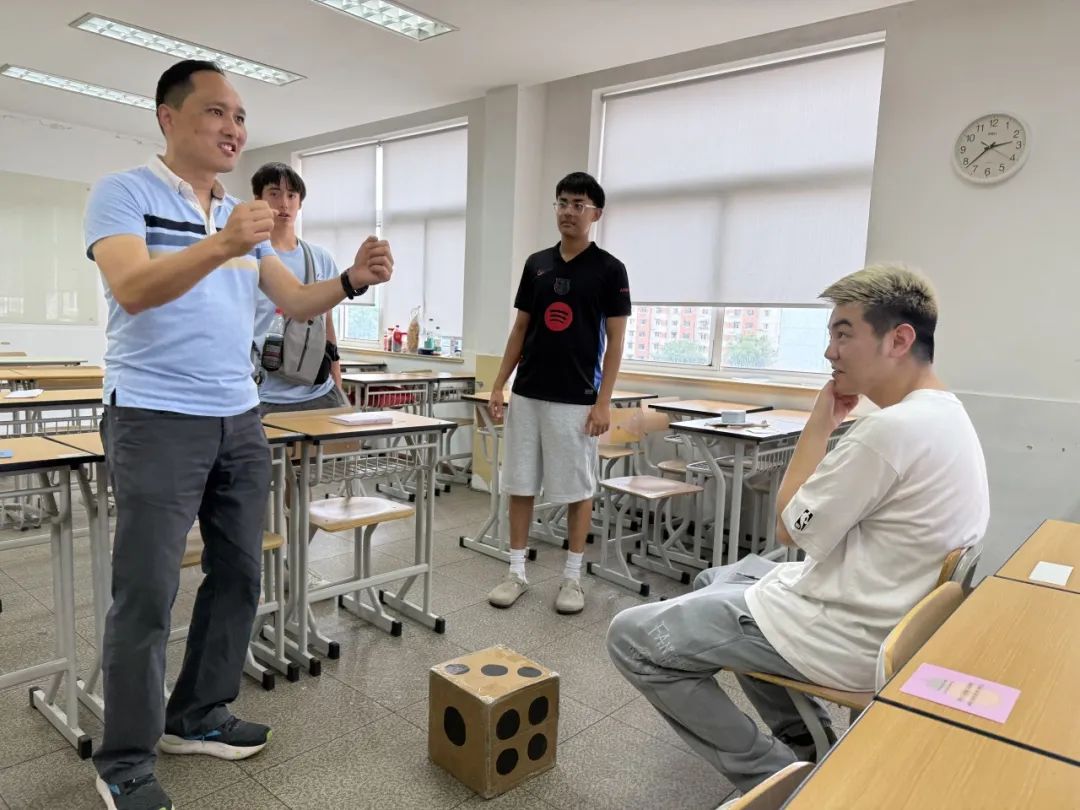
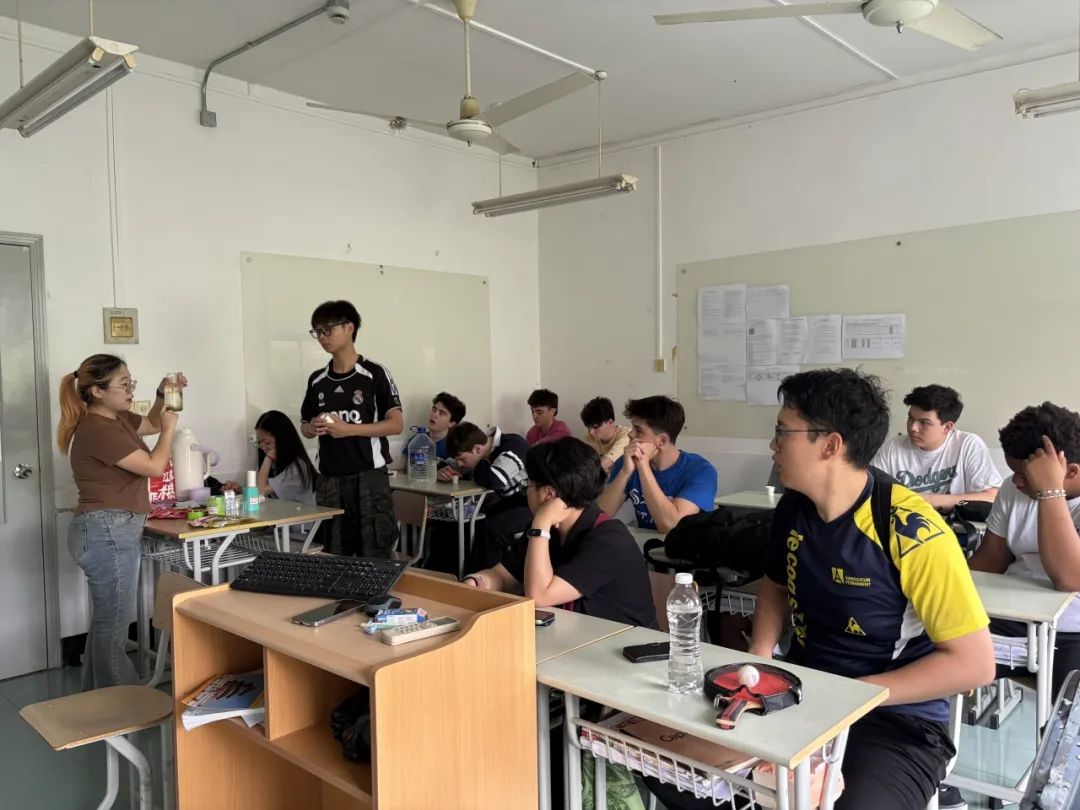
The cultural exchange session between Chinese and international students was organized into three groups with distinct themes: the first group focused on "Traditional Chinese Flower Fan Culture - Pressed Flower Round Fans," the second on "Wellness Through Taste, Calligraphy Among Leaves," and the third on "Chinese Language Challenge - A Wonderful Journey Through Mandarin." During the activities, Chinese and American students worked together in small groups, with Chinese students introducing cultural knowledge and guiding hands-on experiences while their American counterparts actively participated in crafting, tasting, and quiz sessions. Students from both countries learned from and inspired each other, deepening friendships while expanding their cultural horizons, fully demonstrating the energy and potential of young people in cross-cultural communication.
Chinese Stories in Historical, Cultural and Technological Contexts
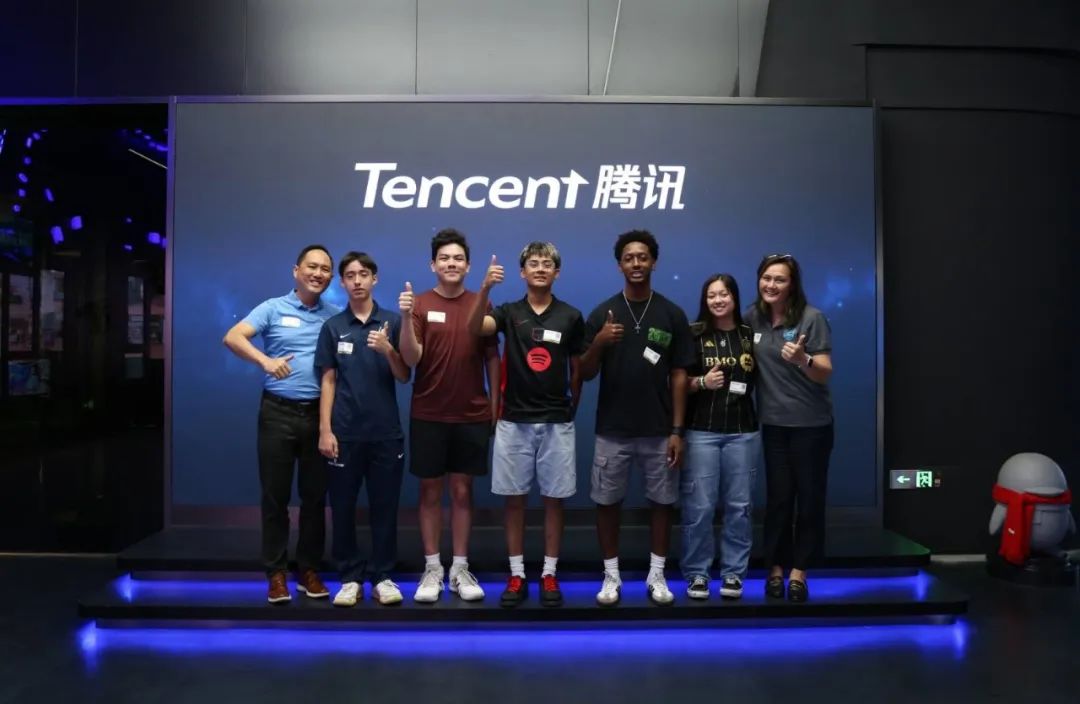
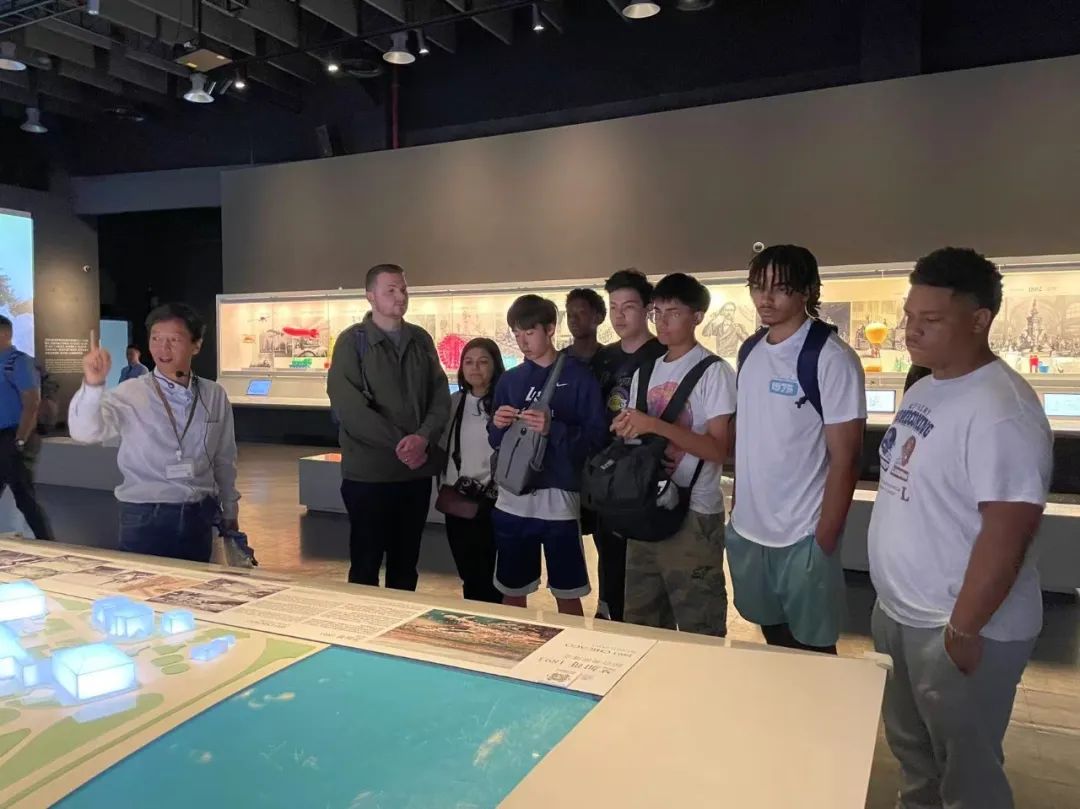
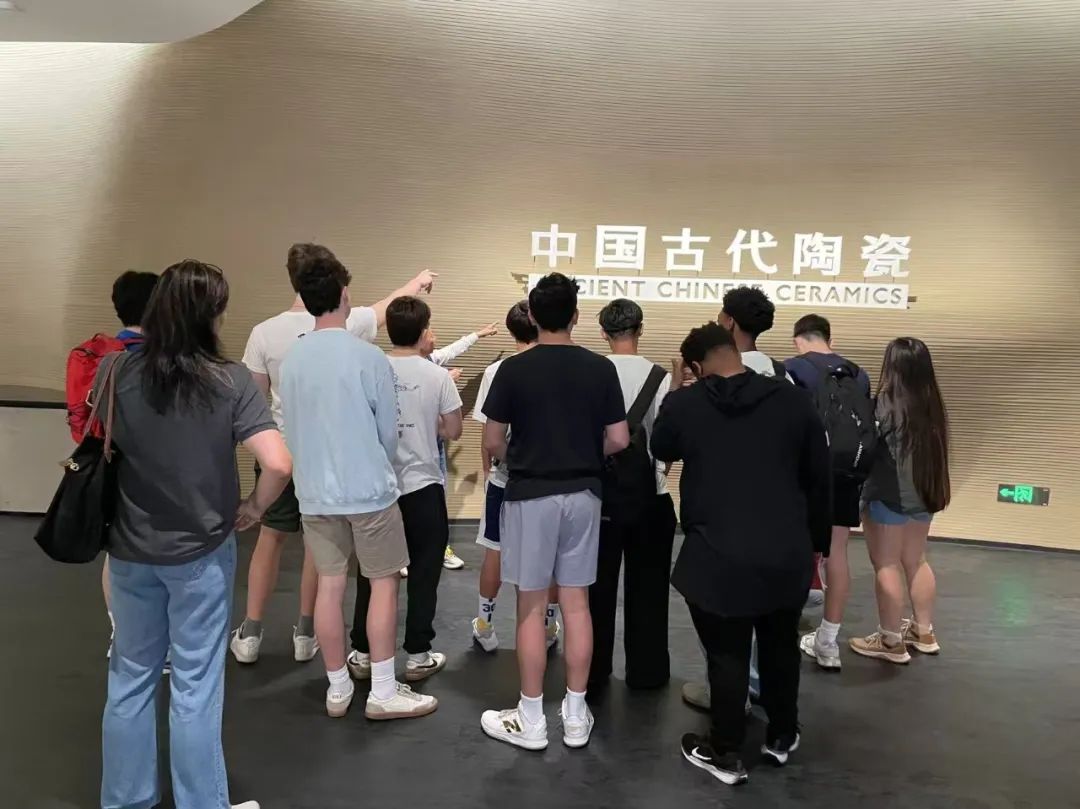
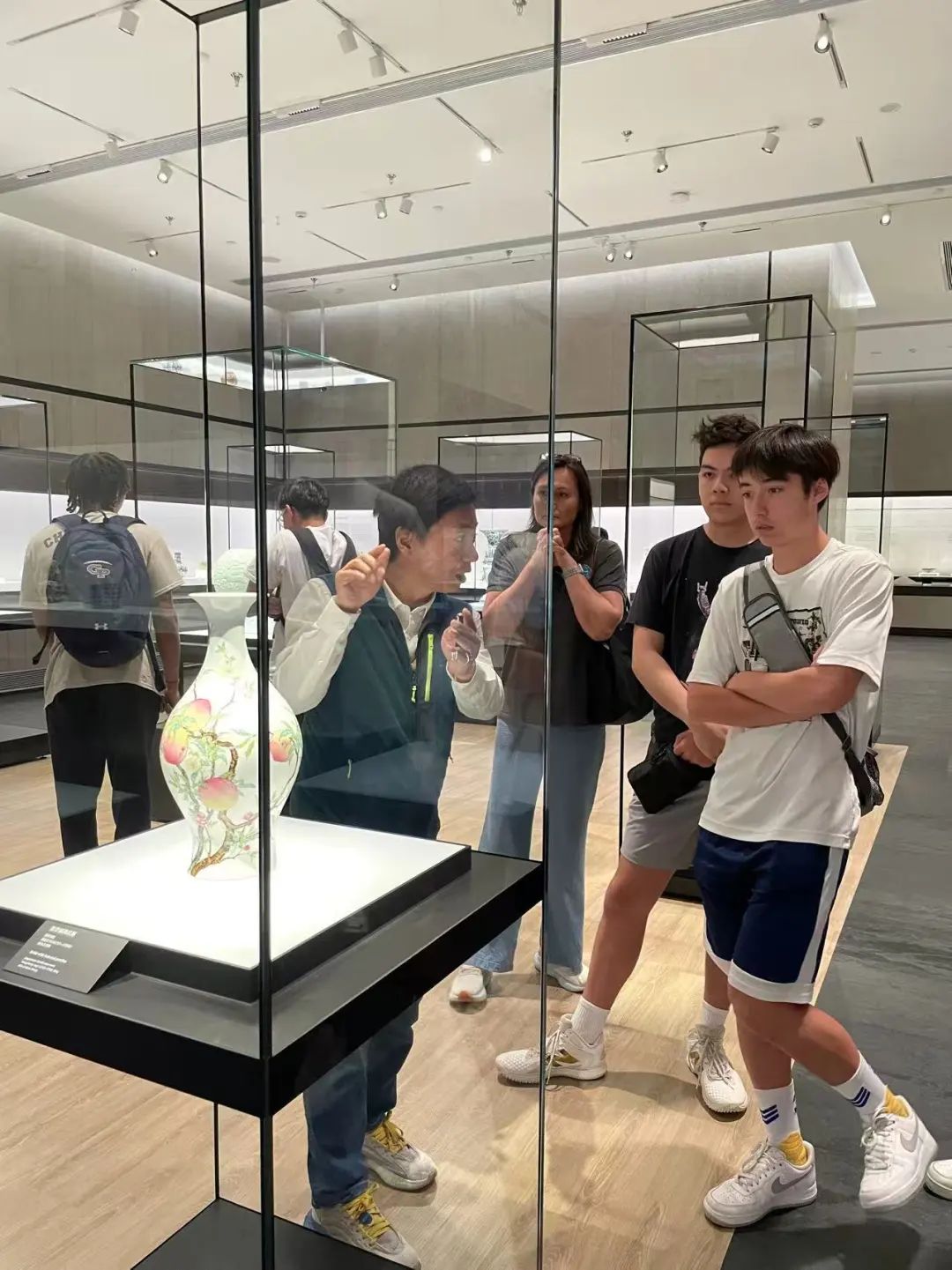
In the “Experience Shanghai” activities, students stepped out of the classroom and into the city, gaining an in-depth understanding of Shanghai’s history, culture, and modern development through immersive field visits. At the Shanghai Urban Planning Exhibition Center, interactive scale models and multimedia displays vividly illustrated the metropolis' developmental journey and future vision. The World Expo Museum offered insights into cross-civilizational dialogue, while the Shanghai Museum East Branch and Shanghai History Museum provided systematic perspectives on Chinese history and local culture. The walking tour along Nanjing Road and the Bund transported students to the birthplace of "Haipai Culture," where century-old architecture interplays with neon lights, embodying Shanghai's unique blend of commercial vibrancy and historical depth. In the Hengfu Historical Conservation Area, tree-lined streets and Sino-Western architectural fusion revealed layered urban memories. Zhujiajiao's ancient waterways and bridge-linked residences showcased quintessential Jiangnan water town charm.The visit to Lujiazui enabled students to experience firsthand the modern appearance and international layout of China’s financial center. The visit to Lujiazui financial district immersed students in China's modern financial hub, while Tencent's headquarters demonstrated the country's digital innovation capabilities. Through these multidimensional urban explorations, American students developed profound, experiential understanding of Shanghai's urban narrative and China's developmental trajectory.
The summer camp not only provided American high school students with an immersive platform for learning Chinese and experiencing Chinese culture, but also created valuable opportunities for youth exchanges between China and the United States. The program significantly enhanced participants' cross-cultural understanding, deepened their comprehensive knowledge of Chinese society, history, and contemporary urban development, and further stimulated their interest in learning Chinese and exploring China. In the future, Shanghai International Studies University will continue to leverage its strengths in international Chinese education and urban cultural resources to promote the regular implementation of youth exchange programs. These efforts will contribute to building a new paradigm of international people-to-people exchanges characterized by openness, inclusiveness, and mutual learning.
Source: Study at SISU