
Experience the Model of Urban Renewal in Shanghai: International Students from Tongji University Visit Yangpu's 228 Neighborhood
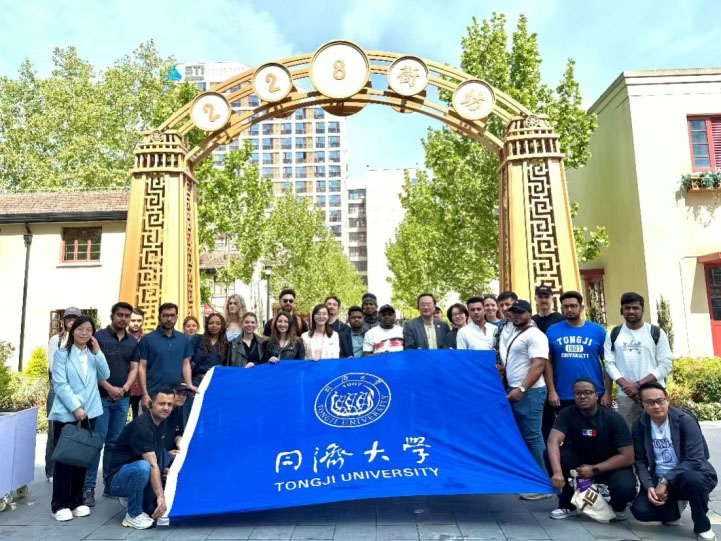
On April 16, 2025, the International Student Office and the School of Politics and International Relations of Tongji University,in collaboration with the Changbai New Village Subdistrict and the Culture and Tourism Bureau of Yangpu District, jointly organized a practical inspection activity themed "Urban renewal and Community Governance." Thirty international students from more than ten countries, including Germany, Italy, and Australia, visited the 228 Neighborhood in Yangpu District, Shanghai, to explore Shanghai's innovative practices in urban sustainable development and cultural preservation.
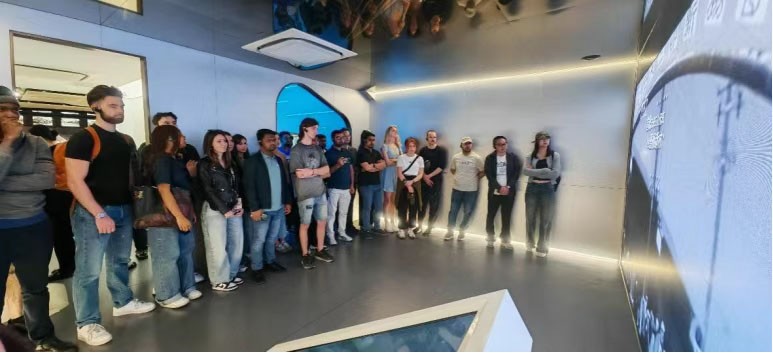
Revitalization of the Old Neighborhood: The Fusion of Green and Humanities
As the only existing historical style residential area of complete "20,000 Units" in Shanghai, the 228 Neighborhood is not only a historical witness to Yangpu's "century-old industrial" development but also carries the historical memory of Shanghai's urban development. As a model of Shanghai's urban renewal, this former old industrial area has now been revitalized, perfectly combining historical features with modern life. Led by community staff, international students strolled through the neighborhood, experiencing its unique architectural style and community atmosphere.
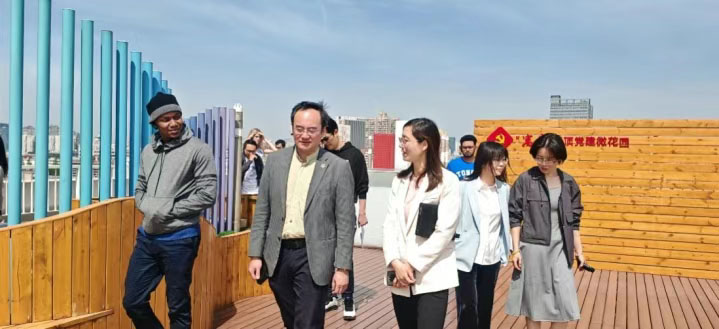
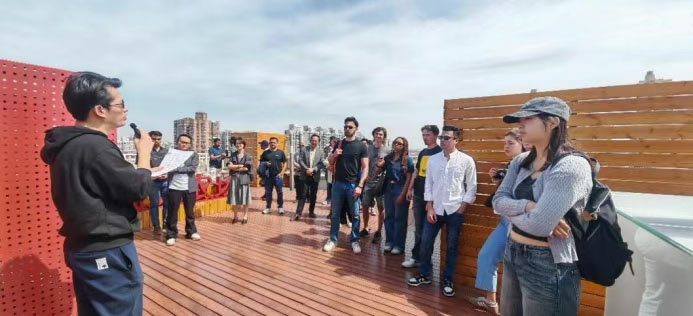
The 228 Neighborhood has not only preserved its original industrial sites, such as the red-brick factories from the 1950s, but has also integrated green building technology and sustainable living concepts. The international students visited the renovated energy-saving residences and community gardens, gaining a deeper understanding of how Shanghai addresses housing issues through urban renewal while reducing carbon emissions. Moving to the demonstration residential area within the neighborhood, the students observed the practical application of green building technologies up close. Innovative designs such as solar panels, rainwater recycling systems, and vertical greenery sparked lively discussions. While listening to the explanations, students carefully noted the architectural details, saying that these replicable energy-saving solutions have profound reference value for other developing countries.
Cultural Memory: The Urban Context in Historical Sites
The "20,000 Units" Historical Exhibition Hall, located within the neighborhood, vividly displays the living changes of the Shanghai working class in the early days of New China through archival photos, physical models, and oral history videos. Luca, an architectural exchange student from Italy, exclaimed in admiration, "Transforming old factories into museums and cafes is so creative! It not only preserves historical traces but also reintegrates old buildings into modern life."
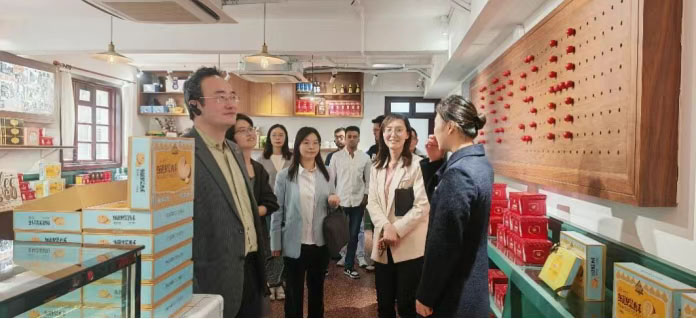
Community Governance: Youth Participation Stimulates Vitality
Subsequently, the international students engaged in discussions with local community workers to explore the innovative social governance model of Yangpu District. The 228 Neighborhood encourages residents, especially young people, to participate in public affairs through initiatives such as the "Community Discussion Hall" and the "Youth Maker Program," creating an inclusive community. This bottom-up governance approach left a deep impression on the students. Here, residents are not only recipients of policies but also co-designers. The innovative protection of cultural sites is not only a tribute to the past but also injects a fresh and unique cultural charm into the 228 Neighborhood community and the entire city's life.
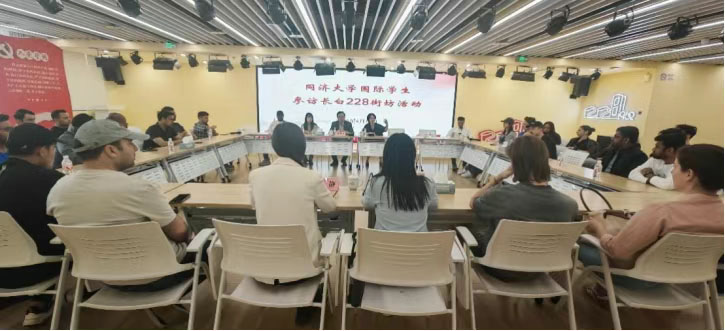
This visit not only allowed international students to gain a deep understanding of Shanghai's innovative practices in urban renewal, cultural preservation, and community governance but also demonstrated China's wisdom and responsibility in sustainable urban development. The activity was strongly supported by the Changbai New Village Subdistrict and the Culture and Tourism Bureau of Yangpu District. The international students who participated in this activity expressed that this trip allowed them to see a Shanghai that both preserves its historical heritage and is full of innovative vitality, and it also provided them with vivid cases for their academic research in China.
Source:the International Student Office of Tongji University