
Wonder of patterns: Louvre's landmark show opens in Shanghai
The largest-ever Louvre exhibition in China, The Wonder of Patterns: Masterpieces from India, Iran, and the Ottoman World from the Musee du Louvre, opened at the Museum of Art Pudong on Dec 13. Featuring nearly 300 works from the 16th to 19th centuries, the exhibition presents a spectacular journey across three great civilizations through ceramics, jewelry, carpets, calligraphy, and more.
The exhibition unfolds in three chapters, each showcasing the unique visual language of an empire renowned for its patterns — motifs that continue to inspire contemporary design.
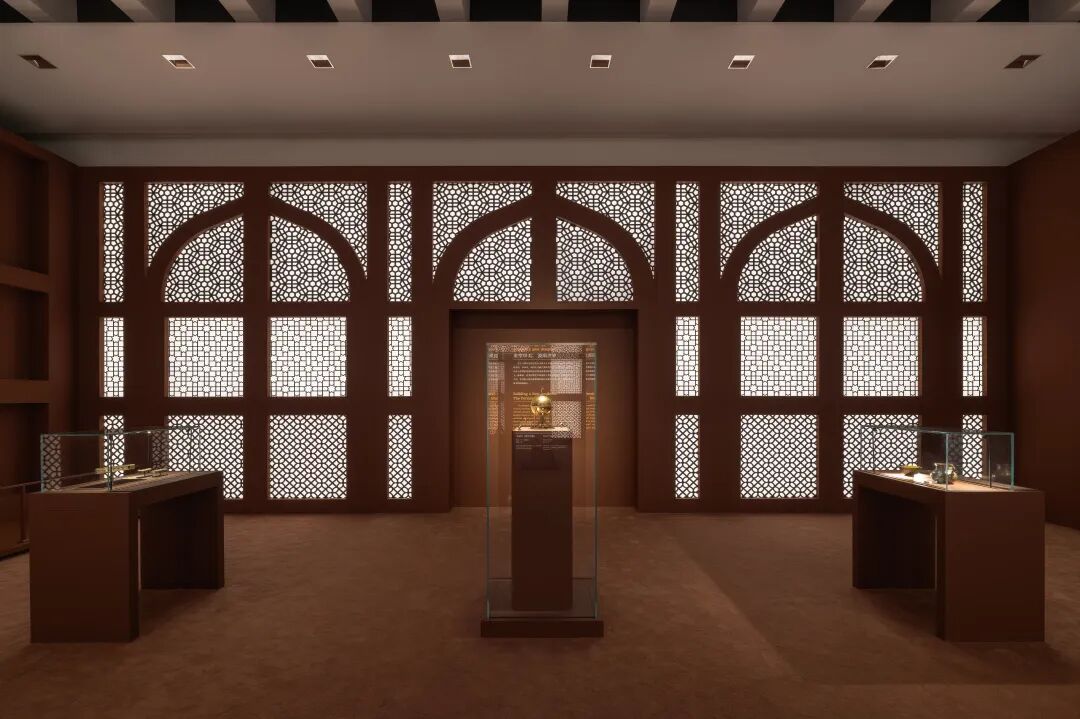
This section highlights the Mughal Empire's genius for synthesis, blending local traditions with Persian, Central Asian, and European influences in exquisite jade, metalwork, and architectural elements.
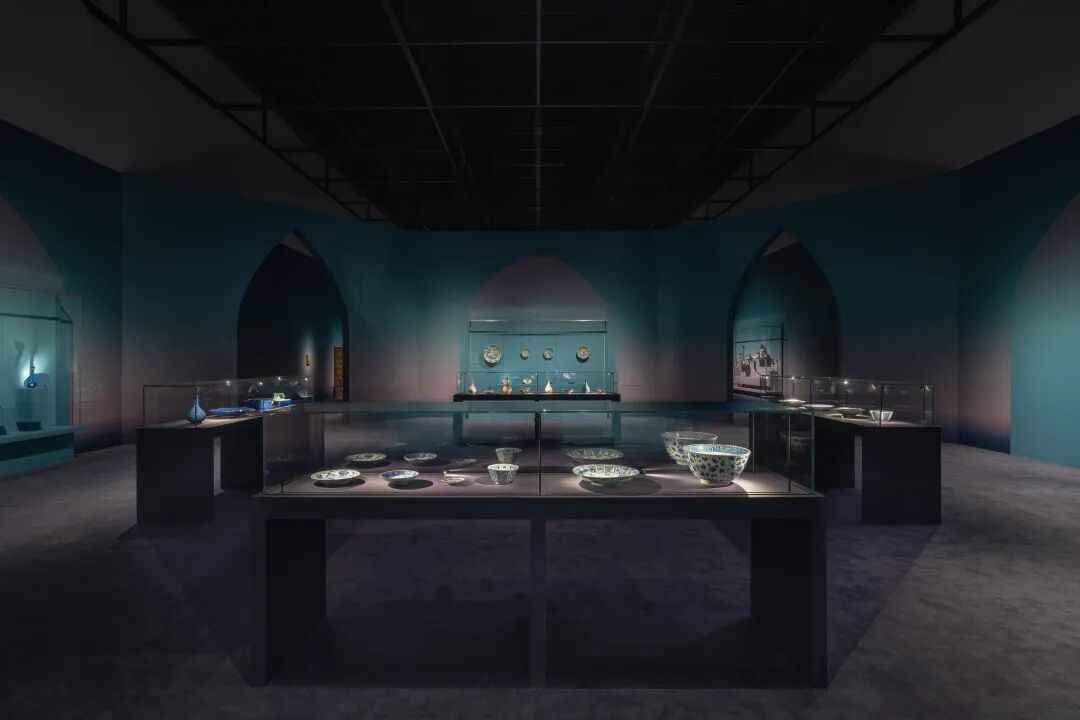
Focusing on the Safavid and Qajar eras, it presents literary-inspired ceramics, European-influenced portraiture, and enameled artifacts, revealing Iran's role at a creative crossroads.
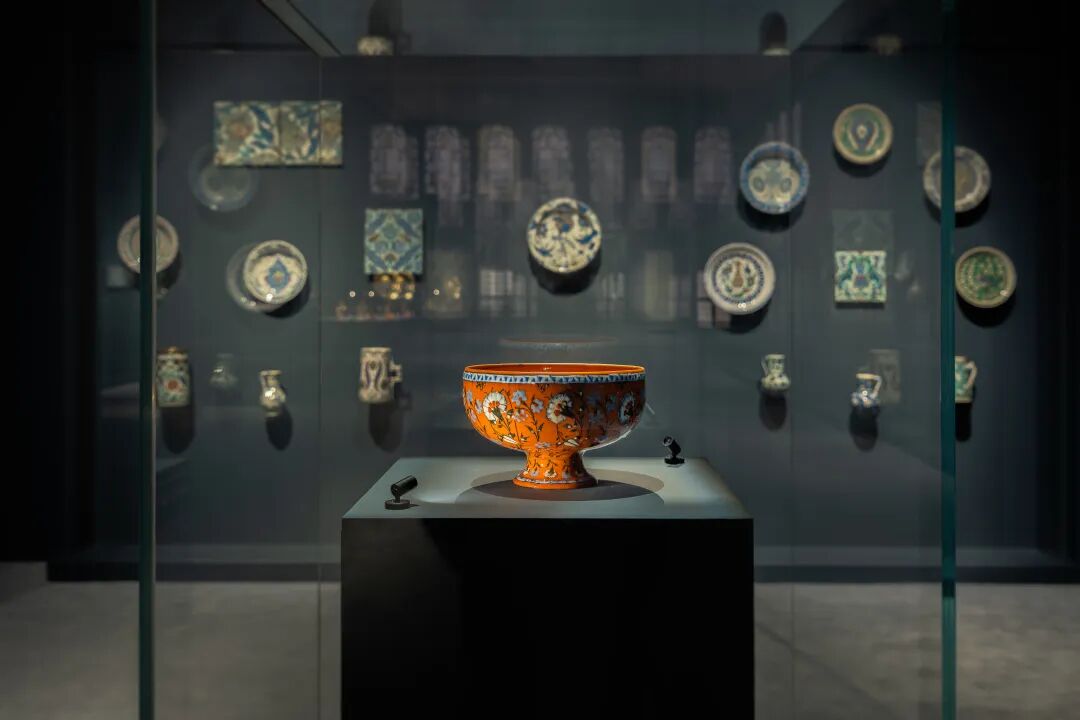
From refined calligraphy and iconic Iznik ceramics to architectural ornamentation, this chapter illustrates how patterns moved from object to monument.
A core theme of the exhibition is the dialogue between civilizations. Chinese influence on Islamic art began as early as the Middle Ages and intensified with the expansion of maritime trade. By the 16th and 17th centuries, Chinese porcelain — a luxury item reserved for royalty and the elites — had become a major source of inspiration, profoundly shaping ceramics from Iran to Anatolia.
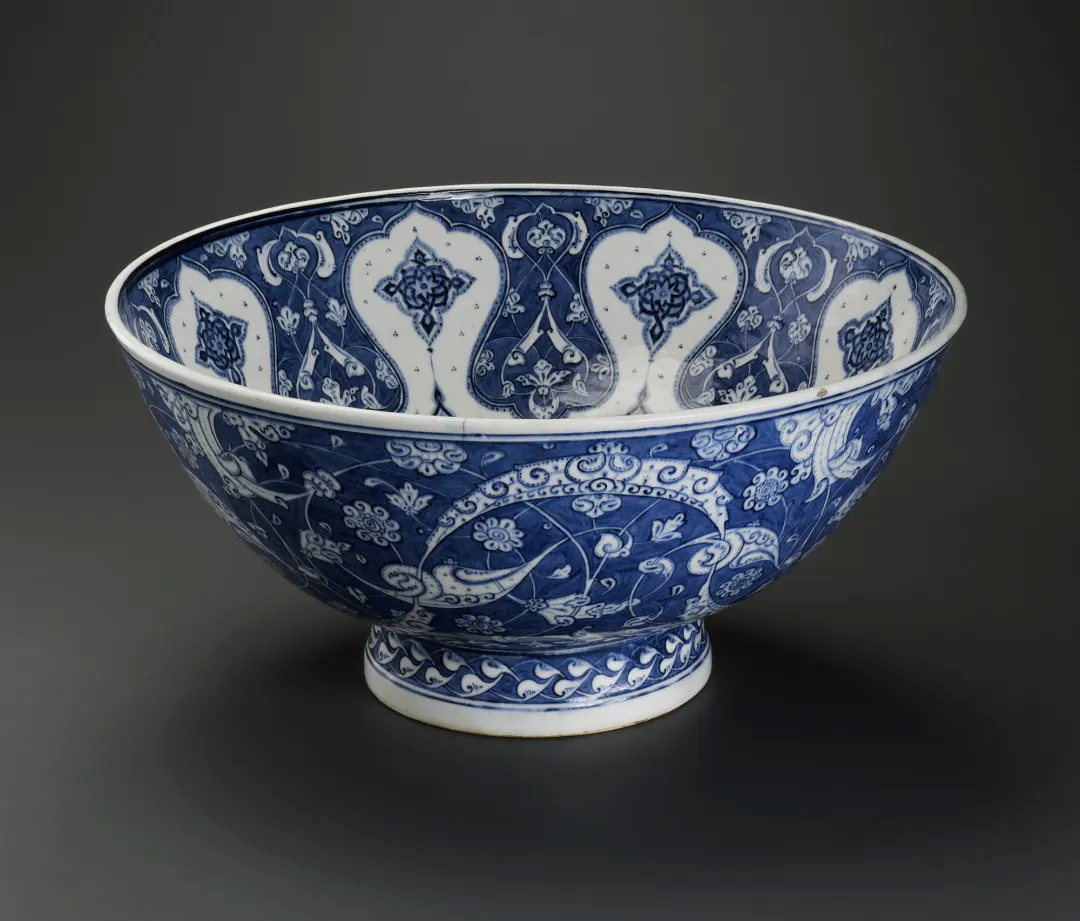
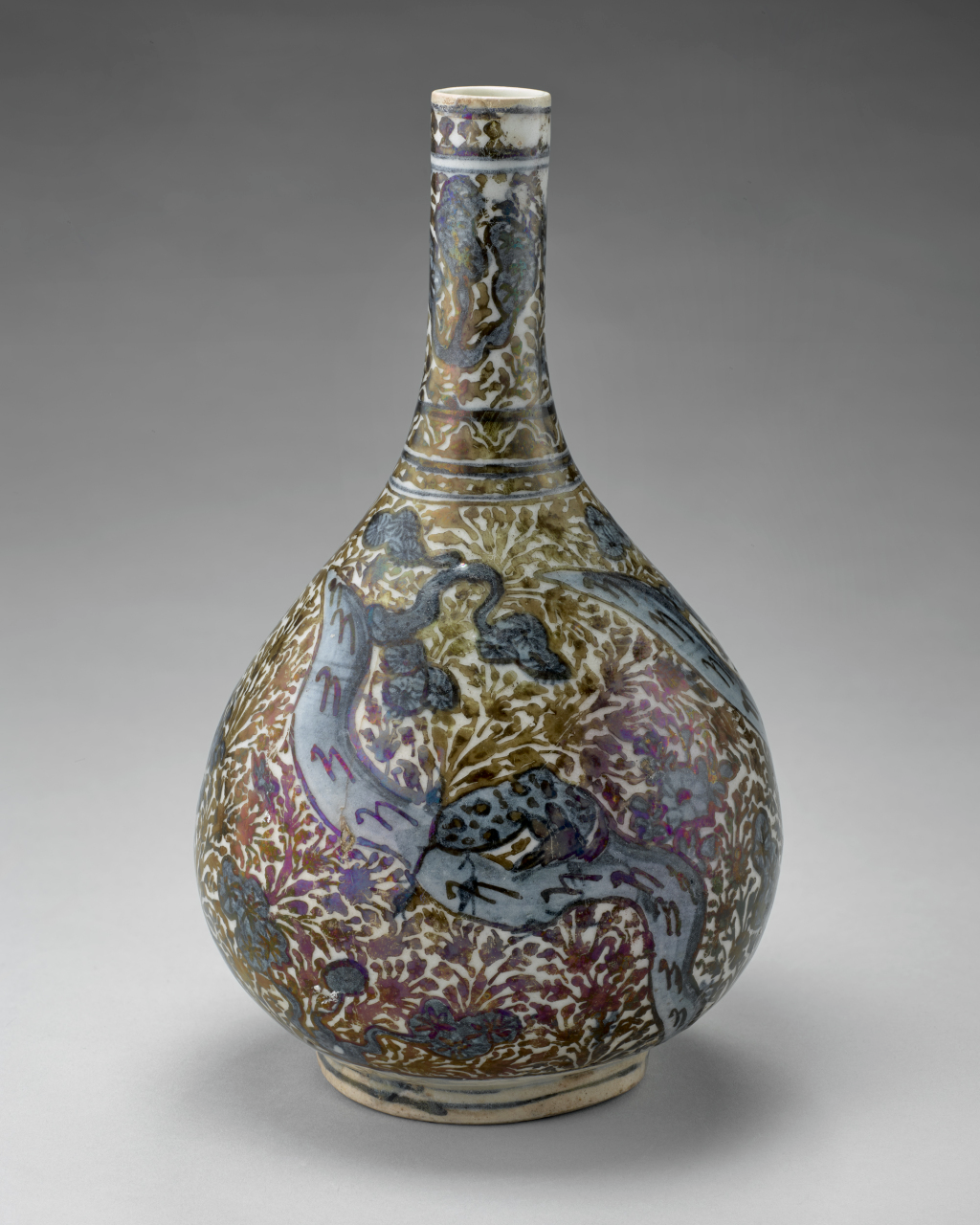
Key works illustrate this exchange, including an Ottoman Iznik bowl directly inspired by Yuan Dynasty (1271-1368) porcelain, and a Safavid dragon-handled vase, demonstrating how Chinese motifs were adapted into Persian artistry.
Seventeenth-century royal acquisitions marked the formal entry of Islamic art into Europe's leading collections, laying the groundwork for Eastern aesthetics to later influence Western art, particularly during the Art Deco movement.
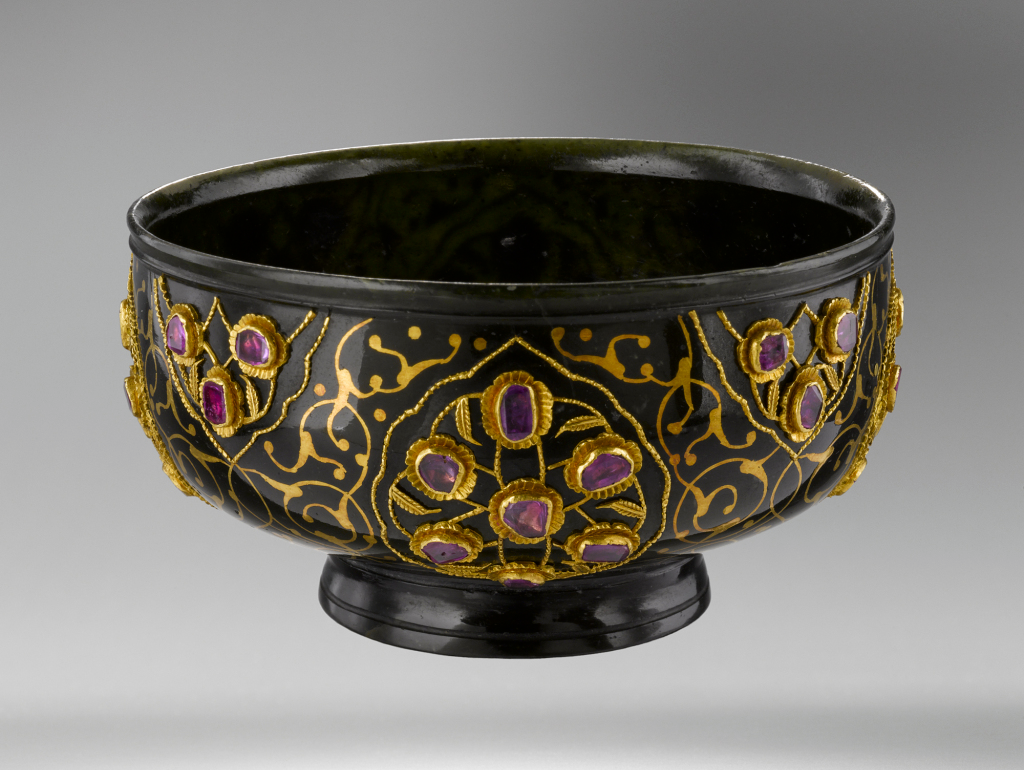
Four royal collection pieces are featured in the exhibition — three from the French Sun King Louis XIV and one from Napoleon Bonaparte. Upon entry, visitors are greeted by a jewel-encrusted cup from Louis XIV's collection. Originally displayed at the Palace of Versailles and transferred to the Louvre in 1796, it stands as a masterpiece of Ottoman hardstone inlay.
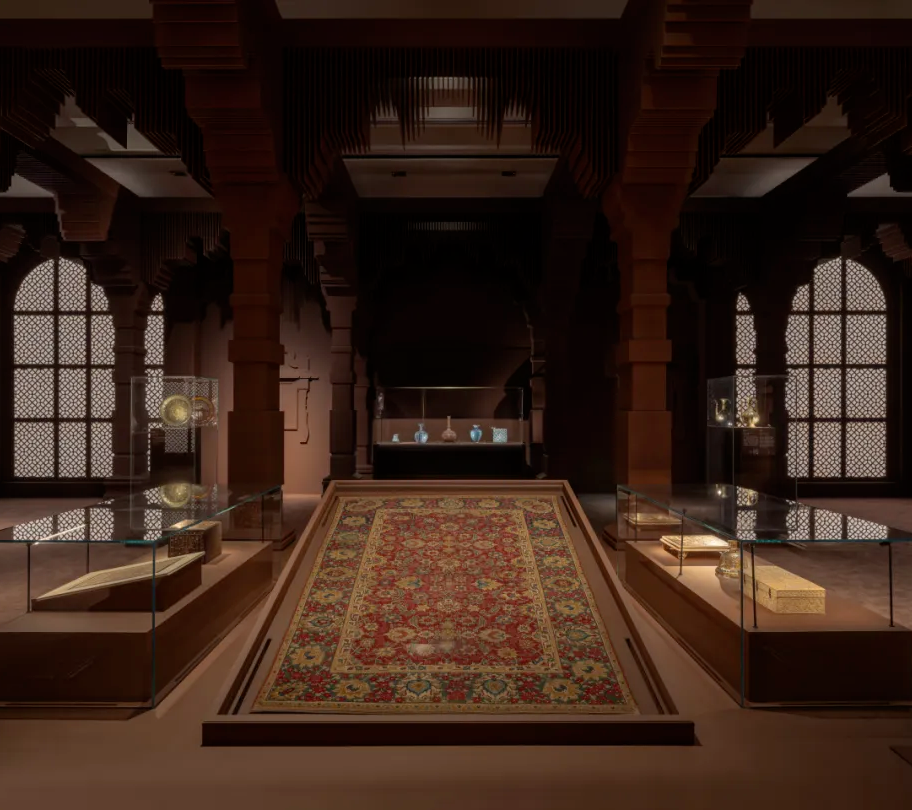
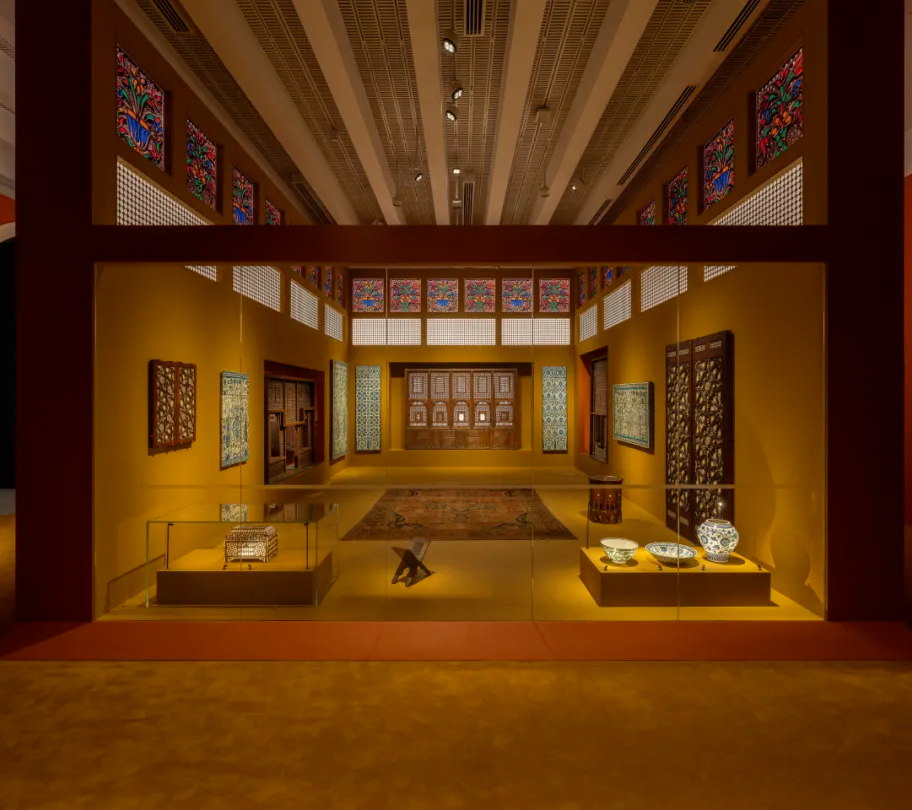
With the Louvre's Islamic art galleries closed for renovation until 2028, this Shanghai exhibition offers a rare opportunity for global audiences to encounter these masterpieces.
Beyond recreating the atmosphere of historical display rooms, the exhibition is designed as an intuitive and immersive experience, inviting visitors of all backgrounds to engage with the enduring power of patterns that transcend culture and time.
📅 When: Until May 6, 2026
⏰ Open: 10 am to 9 pm (last entry 8 pm)
🗺️ Where: Museum of Art Pudong, No 2777 Binjiang Avenue, Pudong New Area
Sources: Museum of Art Pudong, the Louvre, thepaper.cn